What to Ask a Cabinet Contractor Before You Hire Them
By Collaboration
Updated on August 10, 2026
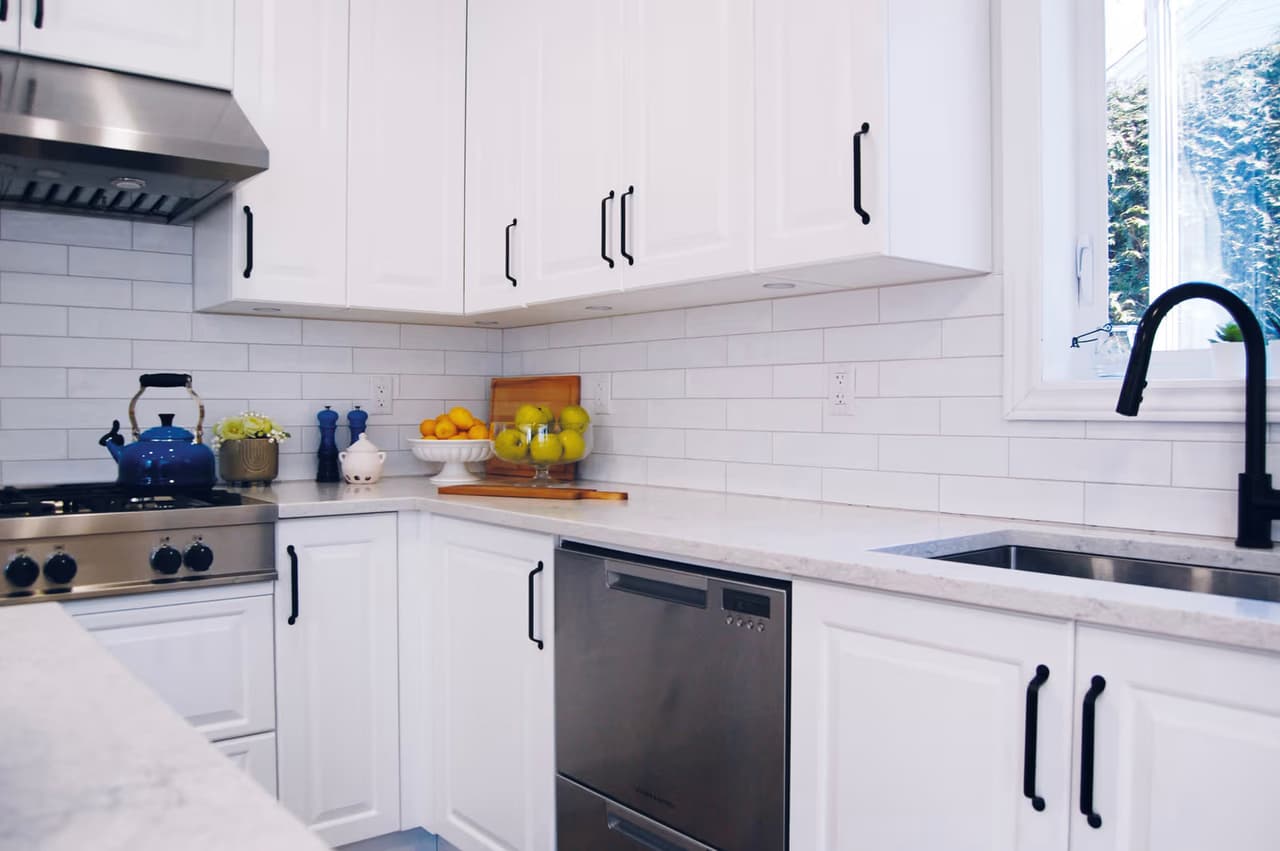
Starting a kitchen remodel is a significant investment, and the contractor you choose will shape both the process and the finished result. Cabinets are a central part of the project because they affect the kitchen’s appearance, storage, and everyday function. They also need to be measured, designed, and installed with care.
Hiring kitchen cabinet specialists can help prevent costly mistakes and ensure the finished space works well for your household.
Questions to Ask a Cabinet Contractor Before Hiring Them
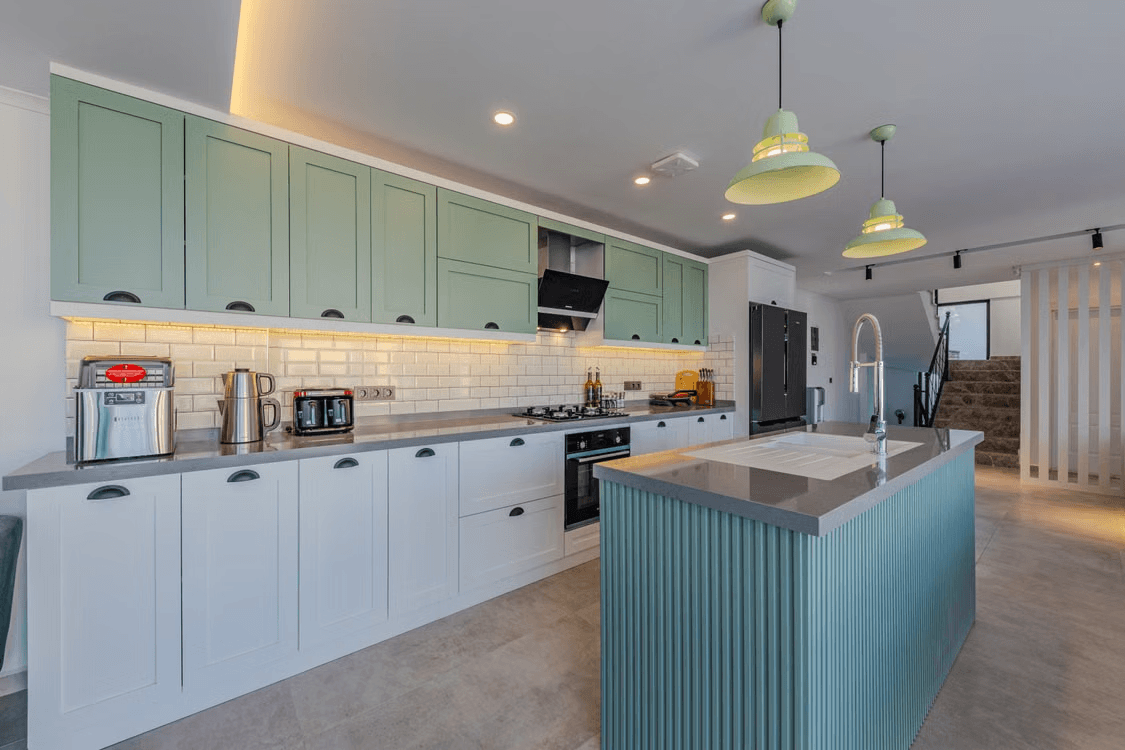
Source: Pexels
Hiring custom kitchen cabinetry contractors requires more than comparing prices and browsing project photos. Kitchen cabinets are a significant investment, and once they are installed, correcting design or measurement mistakes can be costly and disruptive.
That is why it is important to understand how each contractor approaches planning, materials, installation, and warranty support. Here are the key questions to ask before choosing someone for your cabinet project.
1. Have you completed cabinet projects similar to mine?
Ask to see examples of custom kitchen cabinetry projects that are similar in size, layout, or design complexity to yours. A contractor may have plenty of renovation experience without having worked on the specific features your kitchen requires. Reviewing comparable projects can help you judge whether they are prepared to handle your design and installation needs.
2. Who will take and verify the final measurements?
Find out who is responsible for measuring the space before the cabinets are ordered or built. The contractor should also explain how the measurements are checked to reduce the risk of fitting problems during installation.
3. What drawings will I approve before manufacturing?
Ask what plans you will receive and how much detail they will show. The drawings should clearly identify cabinet dimensions, appliance openings, and other important design features before production begins.
4. What materials and hardware are included?
Request clear information about the cabinet doors, boxes, drawers, hinges, and slides included in the quote. This makes it easier to compare quality between contractors and avoid unexpected substitutions later.
5. What does custom cabinetry mean in your proposal?
The meaning of “custom” can vary from one contractor to another. Ask which parts are made specifically for your kitchen and which components come from standard product lines.
6. Who handles design, fabrication, delivery, and installation?
Clarify whether the same company manages the entire project or relies on outside providers. Knowing who is responsible for each stage can make communication easier if delays or problems arise.
7. What is included and excluded from the estimate?
Ask for a detailed breakdown of the services and products covered by the quoted price. Make sure you understand whether delivery, removal of old cabinets, installation, and final adjustments are included.
8. How are changes and additional costs approved?
Cabinetry can account for at least 40% of a kitchen renovation budget, according to estimates from cabinetry and design professionals. Find out how the contractor handles revisions after the project begins. Any change that affects the price or schedule should be documented and approved before the additional work moves forward.
9. What happens if something does not fit or arrives damaged?
Even with careful planning, cabinets can occasionally arrive with damage, missing parts, or dimensions that do not match the space. When discussing your kitchen cabinet replacement, ask the contractor to explain how problems are reported and resolved. You should also confirm who is responsible for ordering replacement parts, completing corrective work, and covering any related costs.
10. What does the warranty cover?
Warranty coverage may differ between the cabinetry, hardware, finish, and installation labour. Ask for the full terms in writing and confirm who you should contact if a problem develops after the project is complete.
How to Choose a Cabinet Contractor for Your Kitchen Remodel Project
Finding the right cabinet contractor can make a noticeable difference in how smoothly your kitchen remodel comes together. The wrong contractor can lead to delays, unexpected costs, and installation problems that are difficult to correct once the work is underway.
Here are some helpful tips on how to choose the right professional for your kitchen cabinet project.
Compare More Than the Final Price
A lower estimate may look appealing, but it does not always include the same materials or services as a higher quote. Review each proposal carefully and compare what is included, such as design work, delivery, installation, hardware, and cleanup. This will give you a more accurate picture of the overall value.
Review Relevant Project Experience
Look for a contractor who has completed cabinet projects similar to yours in size, layout, and level of customization. Ask to see recent examples and pay attention to the quality of the finishes, cabinet alignment, and storage solutions. Relevant experience can be more useful than a large portfolio of unrelated renovation work.
Check References and Reviews
Online reviews can help you identify common patterns, but they should not be your only source of information. Ask for recent references and speak with homeowners about how the contractor handled communication, scheduling, corrections, and unexpected issues during the project.
Evaluate How Clearly They Communicate
A reliable contractor should answer questions directly and explain the process in terms you can understand. Pay attention to how quickly they respond, whether they provide clear updates, and whether they are willing to put important details in writing. Poor communication early on may become a larger problem once the project begins.
Read the Contract Carefully
Before signing, make sure the agreement clearly describes the cabinet materials, project scope, payment schedule, estimated timeline, and warranty coverage. Any promises made during consultations should also appear in the contract. Ask for clarification if any part of the agreement is vague or incomplete.
Final Takeaways
Choosing a cabinet contractor is not only about finding someone who can build or install cabinets. It is about understanding how they plan the project, verify measurements, specify materials, manage changes, and handle problems if something goes wrong. Asking detailed questions before signing a contract can help you compare contractors more fairly and avoid surprises once the work begins.
Take time to review each proposal carefully, confirm who is responsible for every stage, and make sure important details are provided in writing. The right contractor should make you feel informed and confident about the process, not pressured to make a quick decision.
Looking for something else?
Related articles
The latest industry news, interviews, technologies, and resources.

Christine Simard
•08 Nov 2023
With seasons changing fast, we suddenly feel the urge to redecorate our space. When we think of an idea for a simple, yet drastic change that is both easy and economical, repainting walls seems to be the logical option.

Amanda Harvey
•03 Nov 2025
It has become common to preserve and experiment with concrete surfaces both inside and outside of the home. Modern homeowners are exploring the possibilities of painting concrete, offering an alternative to its more commonly known drab shades of grey.

Editorial Team
•24 Feb 2026
Is bundling up before heading out to work already making you dream of warmer days? Don’t worry—sunny weather is just around the corner.

Editorial Team
•08 Apr 2026
Renovating a balcony or deck in Canada requires close attention to structural durability, especially in regions affected by repeated freeze-thaw cycles. In 2026, fibreglass remains a popular choice for elevated balconies because of its waterproofing performance and long lifespan, while ground-level structures continue to benefit from improved stability with helical piles. Before starting your project, make sure your guardrails meet local code requirements and that you obtain any required municipal permits for proper compliance and to protect property value.
Cynthia Pigeon
•08 Jul 2026
The bathroom is no longer just a functional room; it has become a true relaxation sanctuary at the heart of the home. During a residential renovation project, choosing the right furniture is a strategic decision that helps combine aesthetics and functionality. In Montréal, where architectural charm often comes with unique space constraints, standard big-box store furniture can quickly show its limits.