Deconstruction: an eco-friendly alternative to demolition
By Editorial Team
Updated on March 21, 2024
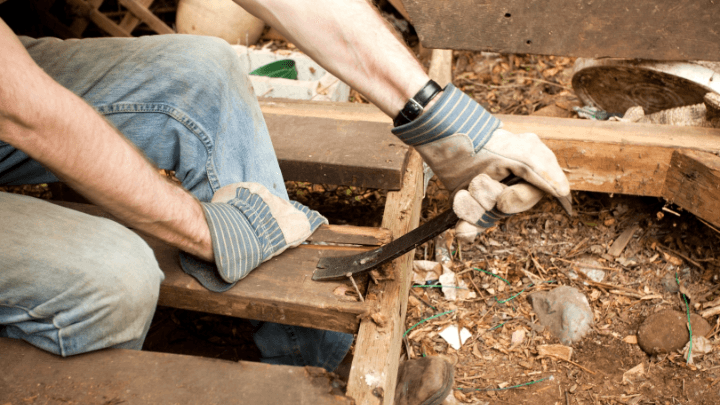
Moving forward with a renovation project often brings to mind the idea of building rather than destroying. Of course, construction implies that a demolition must take place before a new structure can be built. However, the sheer amount of debris produced by demolitions has become a growing concern, as construction sites tend to completely neglect the recycling of materials.
As a result, some innovative companies have stepped up to the plate to tackle the growing issue of waste generated by the conversion of a building, (either partially or totally) and are proposing an ecological alternative to demolition: deconstruction. Deconstruction, also known as strip-out or selective demolition, is still in the shadows of demolition despite its recent break into the Canadian market. Luckily, our article will give this subject the attention it deserves.
A definition of deconstruction
Source: Canva
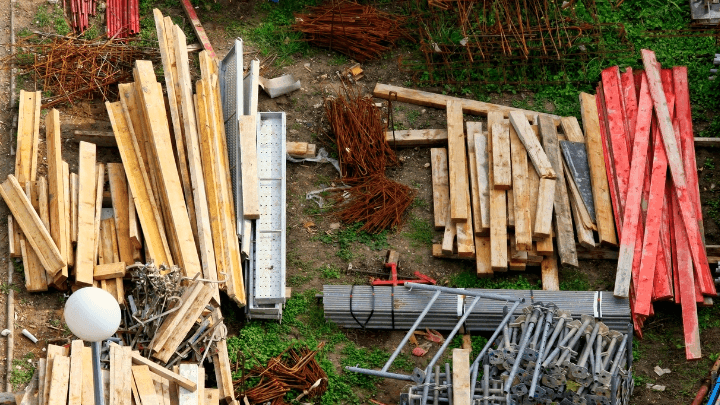
To be specific, deconstruction consists of dismantling installations or structures while making sure to preserve the materials. These materials are collected and then redirected to authorities in charge of transforming them into usable materials that can be put back on the market. When they are returned to manufacturers or stores to be sold, they’ve taken on a brand new form.
Alternatively, these materials are resold and reused in future projects. Therefore, it’s possible to say that the recycling and reusing of materials are the central objectives of deconstruction.
Construction and demolition involve many different procedures and components, and this includes manufacturing, packaging, labeling and installing. Since most building materials are made of new parts, they both effect and consume a large number of natural resources. As mentioned, the process of deconstruction offers a new source of materials which have already been through the manufacturing process. Not only does this save raw materials but it avoids energy consumption. Further, in most cases, the materials themselves move directly to the consumer and thus they require less packaging, as well as shipping and storage costs.
The myth of the non-profitability of deconstruction
Source: Canva
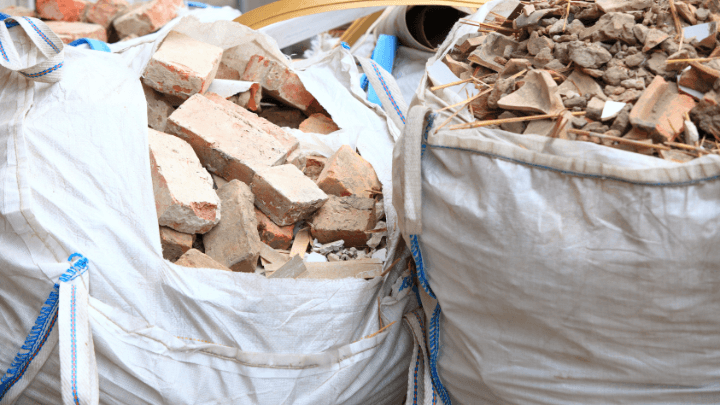
Although it’s true that the process of deconstruction requires more work, and thus more workers, deconstruction experts would argue that the value of the recovered and reused components offsets the additional costs generated by the need to employ more people. As Recycle-Quebec emphasizes, “the resale of the removed materials makes it possible to realize a certain profit, which is not possible when you hire demolishers and which compensates the sorting efforts.”
The amount of demolition materials sent to landfills is huge and often comparable to municipal trash collection. Therefore, the deconstruction process can cut landfill waste in half. Deconstruction works directly to cut down the present waste in landfills and this has a direct reflection on our environment. There are direct links to air quality and groundwater improvement. Even further, there is a reduction of chemicals and components found in electronic devices that find their way into the environment following a traditional demolition.
A particularly persistent myth is that the cost of processing the different materials gathered on site is higher than that of their disposal. This may be true for the processing of carpet and plastic. However, other materials (metals, gypsum board, wood pieces, doors or mineral wool) are processed at a cost comparable to their disposal.
Minimal equipment to deconstruct a building
Source: Canva
As you may be able to see, deconstruction has undeniable advantages over demolition. In specific instances, housing or offices located on upper floors may be difficult to access with heavy equipment or large machinery. The tools and devices necessary for this process are considerably less massive and will be more suitable for the realizations of high-rise or inaccessible projects.
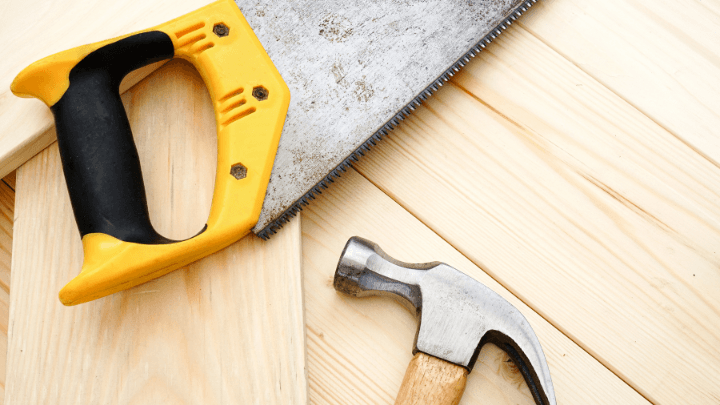
Since only hammers, saws (circular or mechanical) or levers will be required to carry out the deconstruction process, the costs related to the equipment are much lower than those involved in a demolition project. In addition, noise and dust will be considerably less than those caused by the demolition of the room or building in question.
Lastly, one of the primary determents of traditional demolitions, as well as landfill buildup, is the methane that’s produced. Methane contributes to the thinning of the ozone layer and climate change. The requirement of heavy equipment creates greenhouse emissions. Further, many landfills use incineration to process the excess materials and this has a negative impact on air quality. By using less machinery as well as keeping excessive materials out of landfills, deconstruction is an eco-friendly process that actively contributes to saving our environment.
Get quotes for your home deconstruction project
RenoQuotes.com can help you get quotes for your deconstruction project. If you submit your project to us, we’ll put you in contact with top-rated contractors. Fill in the form on the homepage (it only takes a few minutes), and you will receive quotes from companies that are specialized in home renovations.
Dial 1-844 828-1588 to speak with one of our customer service representatives.
Looking for something else?
Related articles
The latest industry news, interviews, technologies, and resources.
Editorial Team
•08 Nov 2023
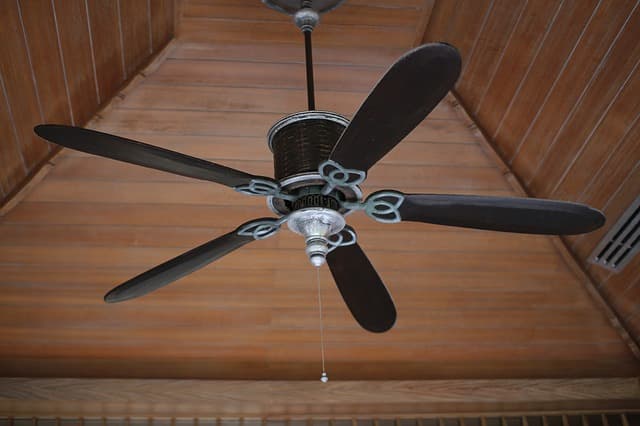
When temperatures are soaring during those summer months, we’re all looking for a way to cool off. For homes without central air or other cooling systems, the task may be slightly more difficult. Ceilings fans are an arguably popular option, as they are an environmentally-friendly way to beat heat. Even if your home has air conditioning, ceiling fans can take away some of the strain on the system and during winter months, fans can work to circulate heat around the house.
Editorial Team
•08 Nov 2023
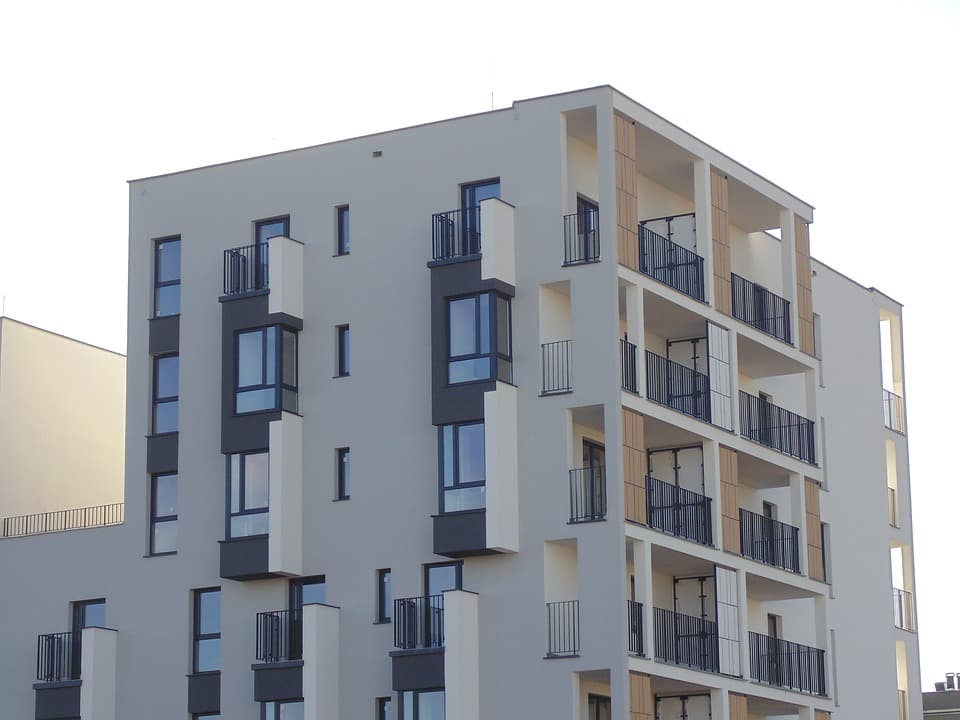
Owning a rental apartment is not without challenges to overcome, as it comes with a number of obligations and responsibilities, which aren’t easy to maintain.

Editorial Team
•25 Jul 2025
This week on Between Bricks and Binders, we dive into project management in renovations. Frédérique shares her event planning experience and the essential principles behind efficient project structuring. Then, we welcome Guy from Demco, a project manager with over 25 years of experience in the construction industry. He explains the day-to-day realities, how to manage the unexpected, and the difference between residential and commercial project management. A practical and insightful conversation for entrepreneurs in the field!
Editorial Team
•08 Nov 2023
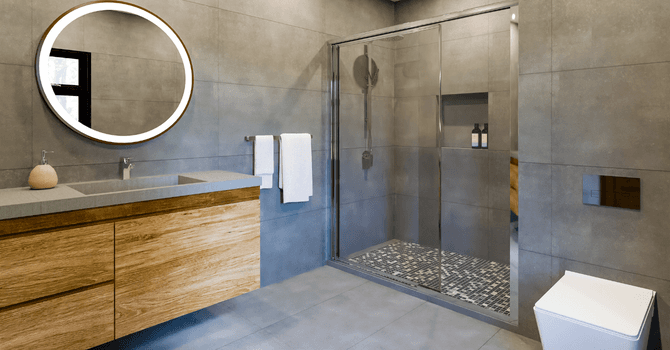
The bathroom should be a sacred space that’s well looked after. We spend a lot of time in this room, and its maintenance is vital for keeping your house chic, comfortable, and running smoothly. Reviving a washroom that’s grown old, outdated or tired is an excellent way to offer character and style while increasing your home’s resale value. Looking for ways to modernize your bathroom doesn’t simply mean keeping up with what’s trending.

Cynthia Pigeon
•08 Jul 2026
As part of a high-end kitchen renovation, the choice of materials defines not only the architectural style of your space but also the long-term value of your property. While traditional surfaces such as laminate or ceramic are increasingly giving way to noble materials, poured concrete has become a preferred choice among designers and bold homeowners in Quebec. Valued for its mineral look, raw appearance, and sculptural malleability, it makes it possible to create unique pieces that cannot be replicated with natural quarry stone.