House Siding Cost in Canada: What should you budget in 2026?
By Editorial Team
Updated on September 1, 2026
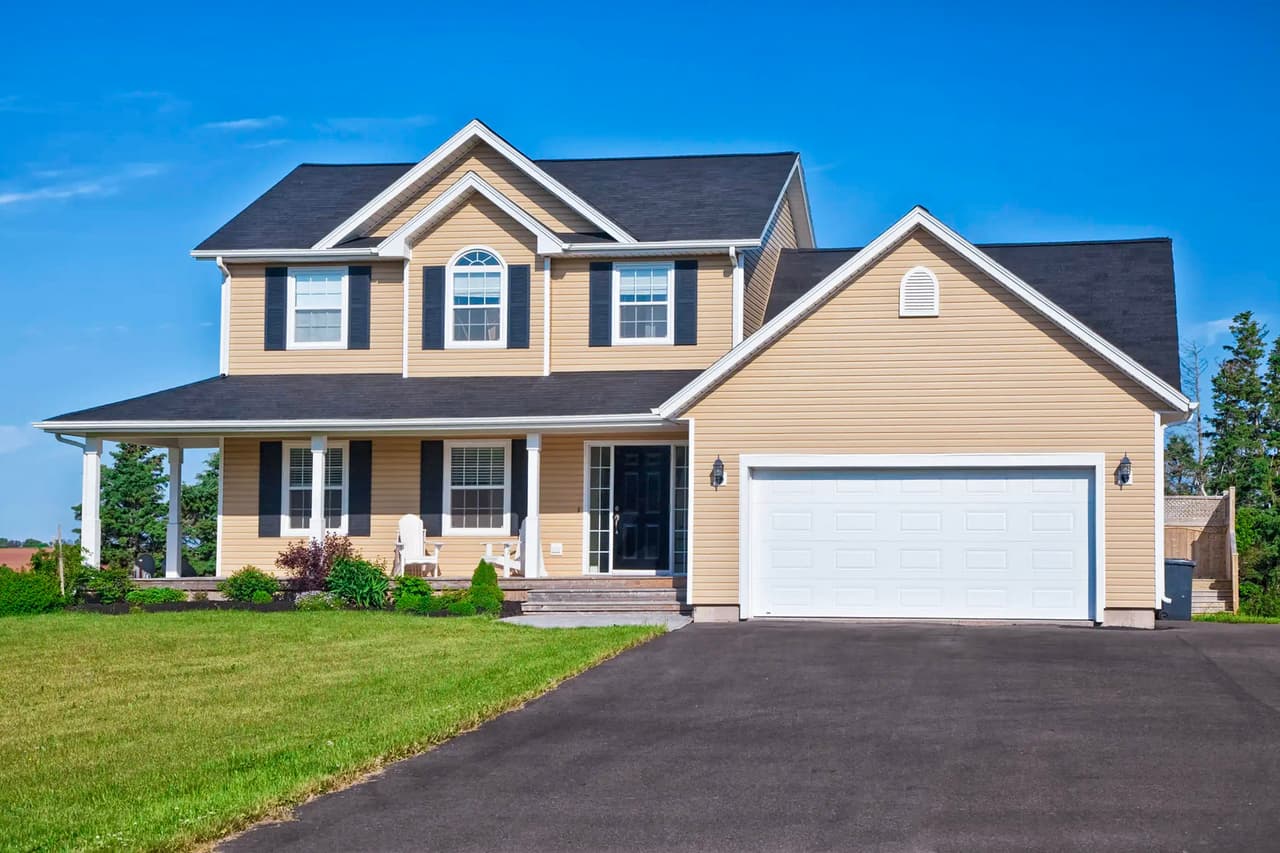
Siding a house in Canada costs $2.50 per square foot installed for basic vinyl up to $55 for brick, which works out to roughly $6,000 to $30,000 for an average two-storey home in vinyl or aluminum. Premium materials like wood and brick push that considerably higher.
Thinking about updating or installing new siding on your home? With so many materials available, ranging widely in style, durability, and cost, it can be challenging to know how much it costs to reside a house or what siding costs per square foot in Canada. This guide breaks down the average cost of siding a house, what those rates mean for a real home, and the factors that move your final quote.
How much does it cost to side a house in Canada?
Source: Toiture MR couvreurs inc.
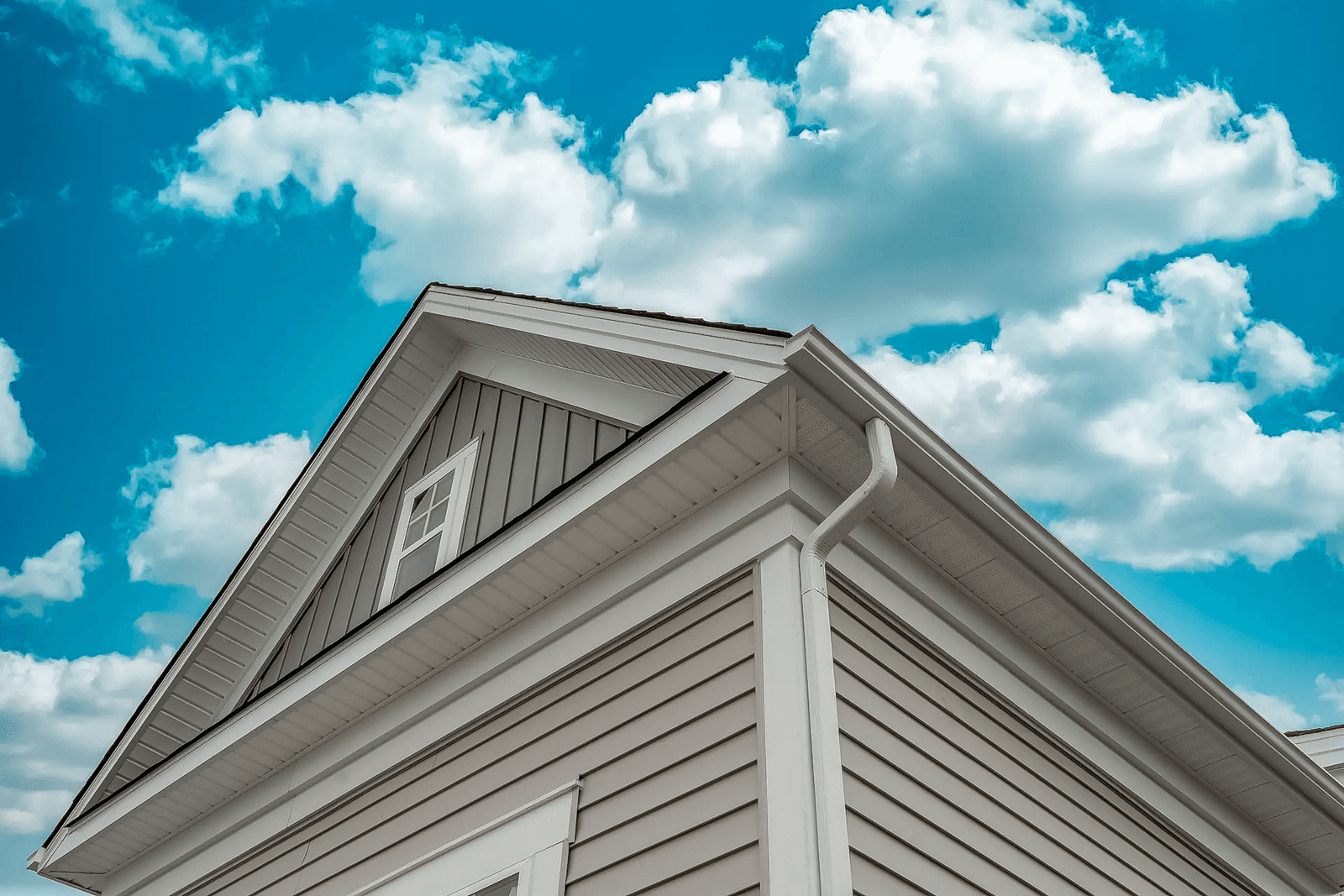
Siding is more than just a facelift for your home. It's the first line of defence against the elements and a major factor in curb appeal. When selecting the right material, consider not only aesthetics but also durability, maintenance, local climate, and your budget.
Siding Cost per Square Foot by Material
Type of exterior siding | Average cost (installed) |
Vinyl exterior siding | $2.50 to $11 per sq. ft. |
Aluminum exterior siding | $4.50 to $12 per sq. ft. |
Fibre cement panels | $5 to $15 per sq. ft. |
CanExel engineered wood siding | $5 to $15 per sq. ft. |
Suretouch (product only) | $8 to $15 per sq. ft. |
Acrylic coating and rendering (EIFS) | $10 to $15 per sq. ft. |
Wood siding | $10 to $25 per sq. ft. |
Brick cladding | $25 to $55 per sq. ft. |
All pricing detailed in this article is for reference purposes only and is subject to change.
What Siding Actually Costs for a Whole House
Price per square foot is only useful once you apply it to your own home, and the number that matters is your exterior wall area, not your floor area. As a rough guide, a single-storey home needs roughly the same square footage of siding as its floor area, while a two-storey needs about 1.2 to 1.3 times.
Material | Bungalow, 1,200 sq. ft. (≈1,400 sq. ft. siding) | Two-storey, 2,000 sq. ft. (≈2,500 sq. ft. siding) | Two-storey, 2,500 sq. ft. (≈3,200 sq. ft. siding) |
Vinyl | $3,500 to $15,400 | $6,250 to $27,500 | $8,000 to $35,200 |
Aluminum | $6,300 to $16,800 | $11,250 to $30,000 | $14,400 to $38,400 |
Fibre cement | $7,000 to $21,000 | $12,500 to $37,500 | $16,000 to $48,000 |
CanExel | $7,000 to $21,000 | $12,500 to $37,500 | $16,000 to $48,000 |
Wood | $14,000 to $35,000 | $25,000 to $62,500 | $32,000 to $80,000 |
Brick | $35,000 to $77,000 | $62,500 to $137,500 | $80,000 to $176,000 |
These figures cover the siding itself. Removing the old siding, repairs to the sheathing, house wrap, trim, and soffit work are quoted separately and can add several thousand dollars.
How to Estimate Your Own Siding Square Footage
If you want a number closer to reality before calling anyone, the calculation takes about ten minutes.
Measure the perimeter: Add the lengths of all four exterior walls together, in linear feet.
Multiply by the wall height: Measure from the ground to the bottom edge of the roof. This gives your rectangular wall area.
Add the gables: Each triangular gable is its width multiplied by its height, divided by two.
Subtract the openings: Count roughly 15 sq. ft. per window and 21 sq. ft. per standard door.
Add 10% for waste: Cutoffs and mistakes are unavoidable, and matching a dye lot weeks later often isn't possible.
A worked example: a two-storey home measuring 26 by 36 feet has a perimeter of 124 feet. At 18 feet high, that's 2,232 sq. ft. of wall. Add two gables at roughly 130 sq. ft. each, subtract twelve windows and two doors at about 220 sq. ft., then add 10% waste. The total lands near 2,500 sq. ft. of siding.
One note on units: siding is sold by the square, which equals 100 square feet. A quote of "$200 per square" means $2 per square foot, not $200.
Siding Materials Compared
Vinyl Siding
Source: Peinture Pro-Max
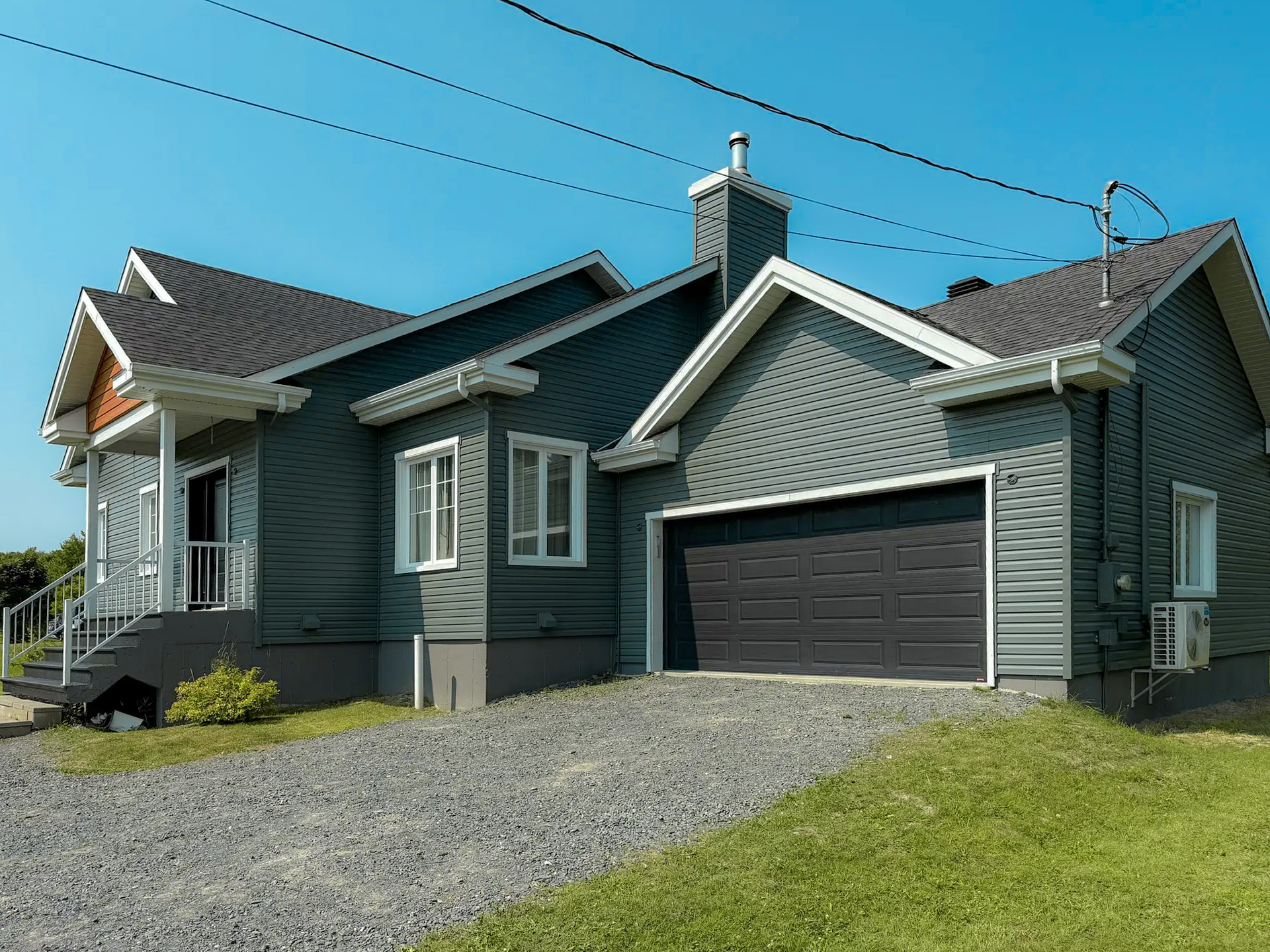
Vinyl is the most-installed siding material in Canada, and for straightforward reasons. It's easy to install, shock- and scratch-resistant, and by a wide margin the least expensive option per square foot. Vinyl siding prices in Canada range from $2.50 to $11 per square foot, including installation.
That range is wide because it spans a lot of product. Basic single-layer vinyl sits at the low end, while insulated vinyl with a foam backing, thicker profiles, and premium colours reach the top. Insulated vinyl costs more upfront but adds a layer of thermal performance to the wall.
Vinyl's weaknesses are cold-weather brittleness and colour fade over time on south-facing walls. It also expands and contracts noticeably, which is why it's installed loosely rather than nailed tight, and why poor installation shows up as buckling within a few seasons.
Aluminum and Metal Siding
Source: Reno Quotes
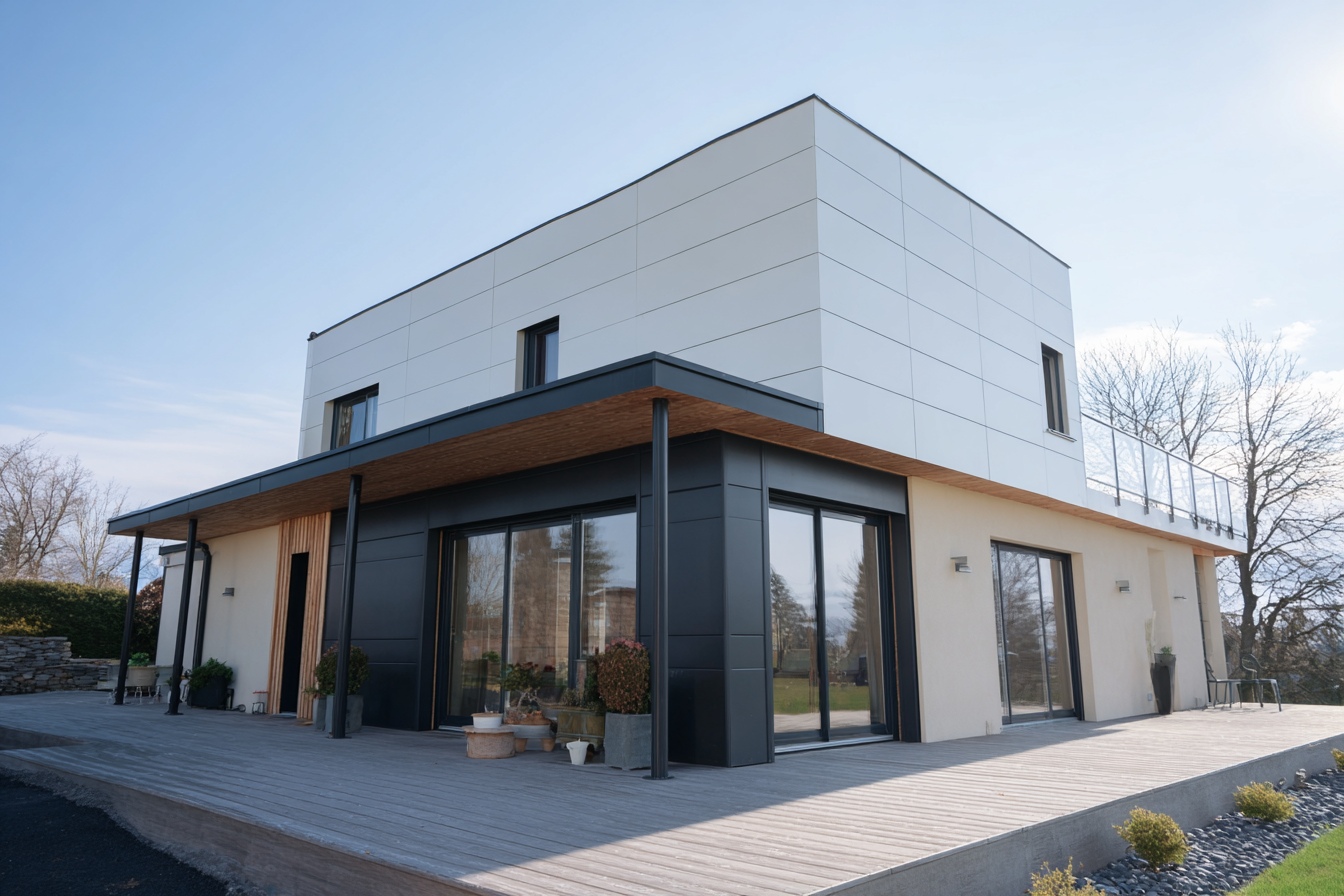
Aluminum siding offers excellent weather resistance, especially against high winds and severe temperature fluctuations. Unlike vinyl, aluminum does not warp, brittle, or crack in sub-zero winters.
Importantly, aluminum is a non-combustible material with a Class A fire rating. Unlike vinyl or wood siding, it will not ignite, burn, or feed flames in the event of a fire (though it can soften or melt under extreme direct heat exceeding 660°C / 1220°F).
The primary drawback of aluminum is its susceptibility to physical impact—it can dent if hit by severe hail, falling branches, or heavy objects. Additionally, the painted finish may fade or chalk after decades of intense sun exposure. In optimal conditions, quality aluminum siding can last 40 to 50+ years with minimal maintenance.
Fibre Cement Panels
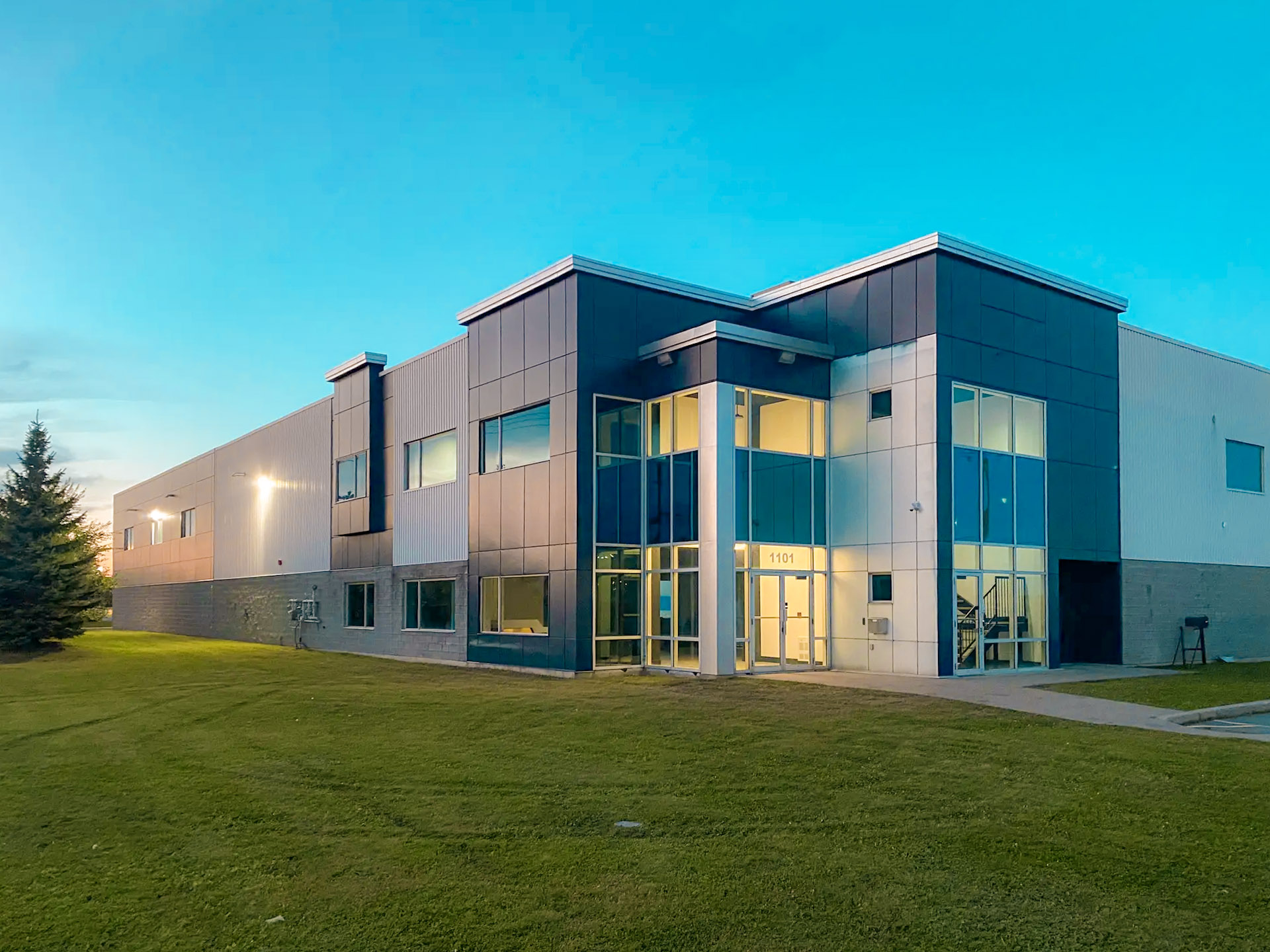
Source: Les Entreprises Lemieux et Fils Inc.
Fibre cement suits modern houses and buildings, and holds up well against parasites and extreme weather. It's also non-combustible, which matters in fire-prone regions and for some insurance considerations.
L'Ordre des architectes du Québec has taken issue with this material, given that problems appeared soon after installation on some projects: cracks, fading, and chipping surfaces. Manufacturers claim these issues have since been resolved and that current products are of much better quality. Typically the product should last roughly 40 years, but check with your contractor before choosing it. Fibre cement panels cost between $5 and $15 per square foot, including installation.
Engineered Wood Fibre Panels (CanExel)
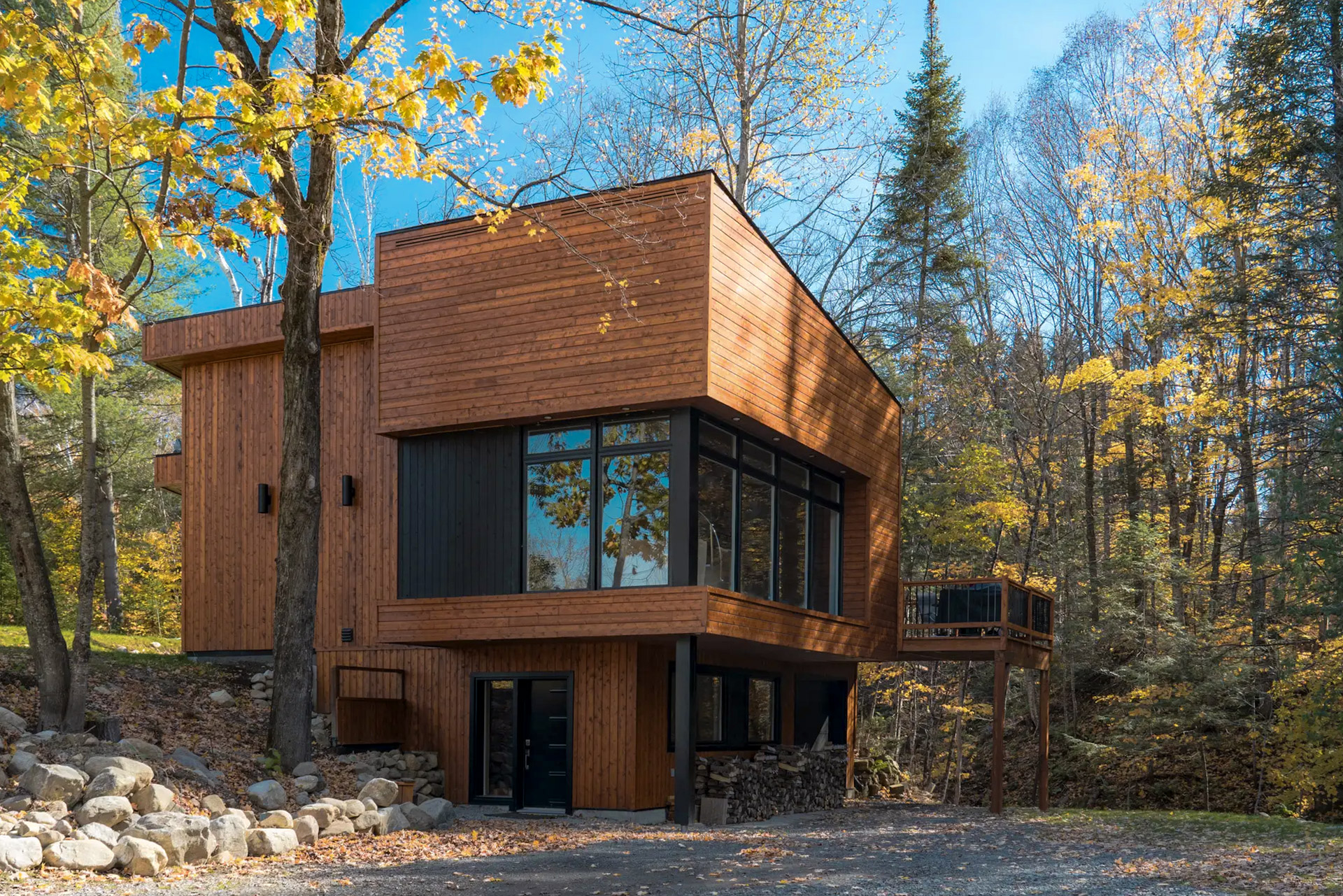
Source: GUERTI
Engineered wood panels, commonly known as CanExel, are an increasingly popular option. CanExel is much more affordable than real wood while remaining a reliable, quality faux wood, and the range of colours and textures is extensive.
Compared to real lumber, engineered wood withstands humidity and UV rays better. With a 25-year service life, it offers strong value and suits most budgets. However, if CanExel cladding isn't properly installed, it will require far more maintenance and repairs, and its lifespan will suffer. Its price ranges from $5 to $15 per square foot, including installation.
Suretouch
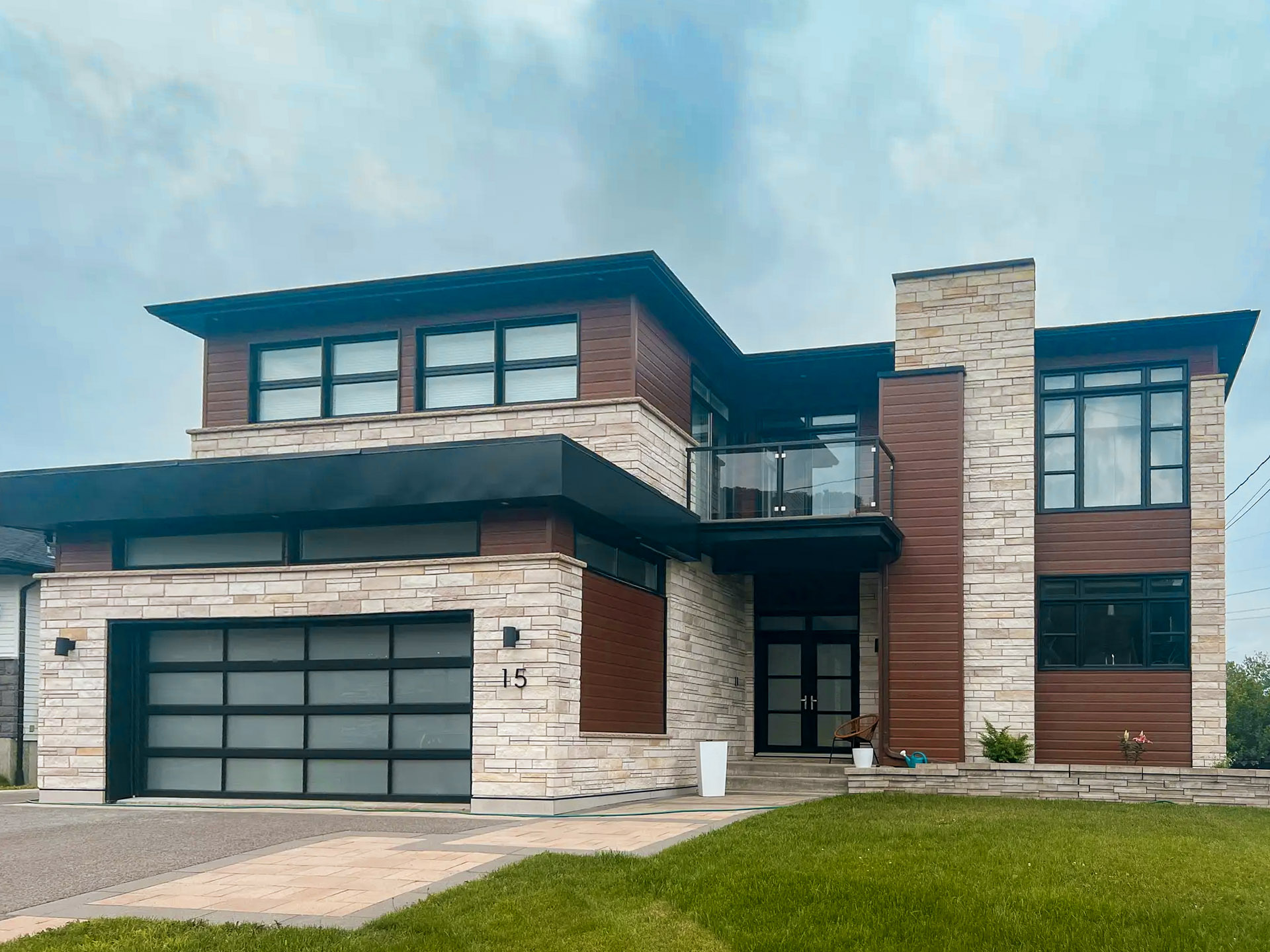
Source: Construction MJC Excellence inc.
Suretouch sits alongside brick and stone cladding aesthetically but at a much lower cost. A polystyrene mould is mounted against the house, then argyle bricks or concrete stones are affixed to it under pressure. The mould is secured with stainless steel screws and plates.
Marketed for about a decade now, it's gaining popularity for its ease of installation and its insulation value of R13.5. It also offers good ventilation and weatherproofing, provided the joints are properly done. Since it's a relatively new product, long-term durability data is limited, though feedback so far is positive. The average cost of Suretouch cladding is $8 to $15 per square foot.
Wood Cladding
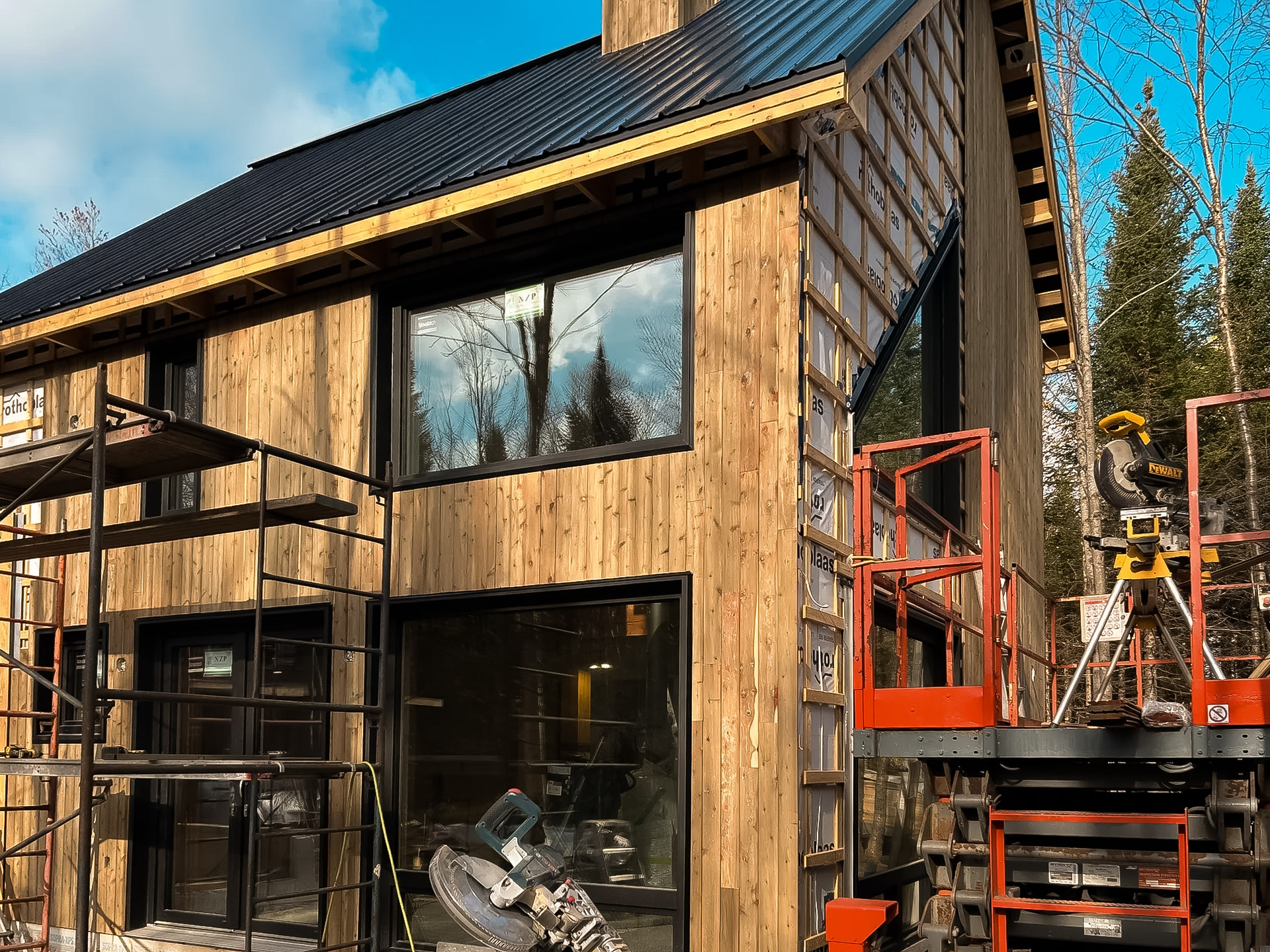
Source: Construction Yannick Gosselin Inc.
Wood is one of the options that adds the most value to a house, and it remains the benchmark other materials imitate. It's also the highest-maintenance choice. To preserve its appearance, wood siding needs a fresh coat of quality exterior stain or sealant every 3 to 5 years to protect against moisture and weathering.
Wood cladding costs between $10 and $25 per square foot, including installation, and lasts anywhere from 25 to 55 years. Cedar is the most common species in Canada, valued for its natural resistance to rot and insects.
Acrylic Coating and Rendering (EIFS)
Source: 9482-6732 Québec inc.
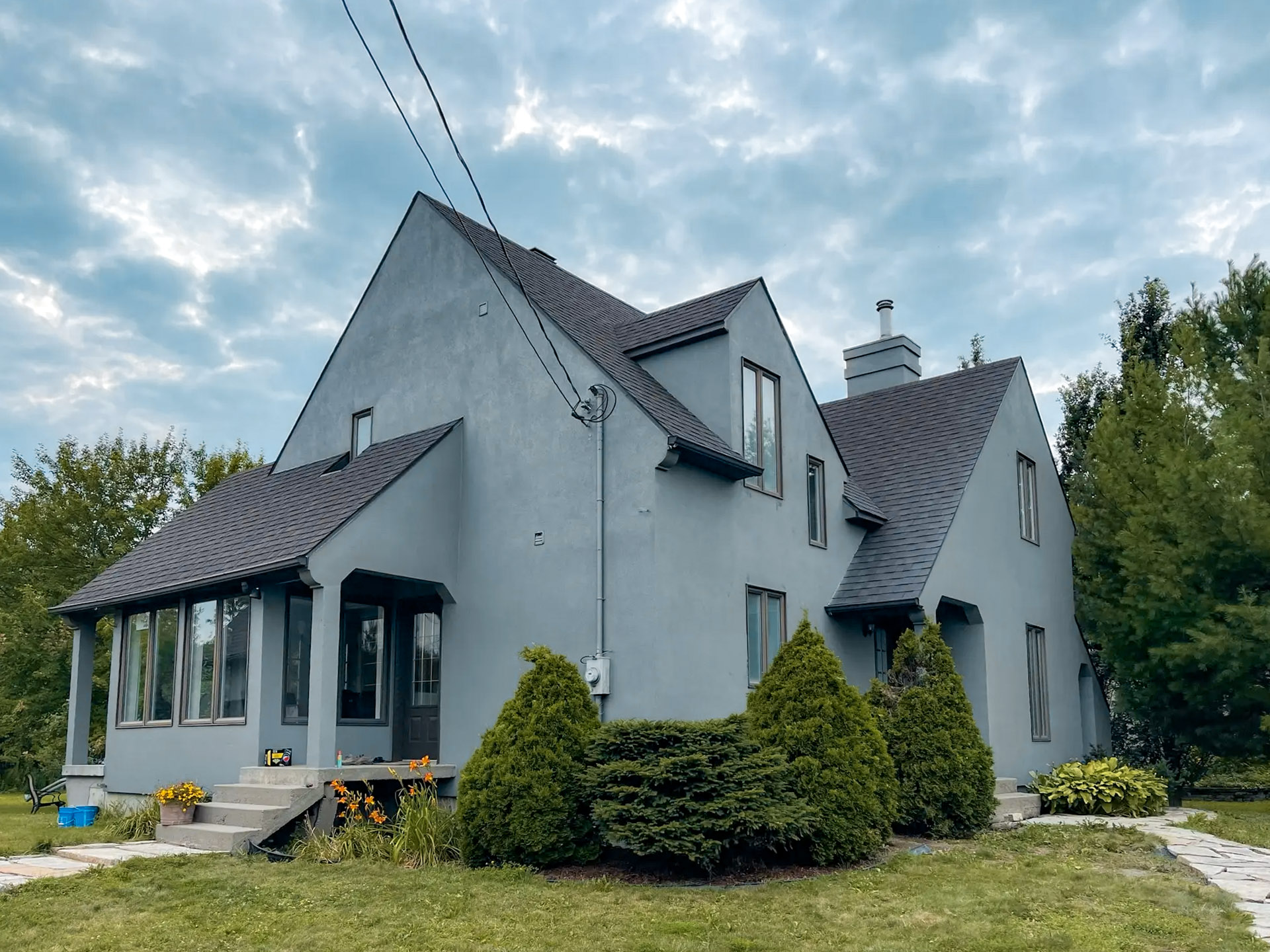
According to Dave Barriault of ADEX Systems, homeowners considering exterior acrylic coatings should specifically choose second-generation EIFS, or Exterior Insulation and Finish Systems. First-generation installations produced widespread waterproofing failures. The current version, on the market since the late 1990s, includes components that keep the building envelope watertight and well-insulated.
This system also provides drainage if water gets behind the cladding. Installation is demanding and involves several critical steps, so hire a contractor genuinely experienced with the product. Second-generation EIFS costs between $10 and $15 per square foot, materials and installation included.
Brick Cladding
Source: Rénovations MTR inc.
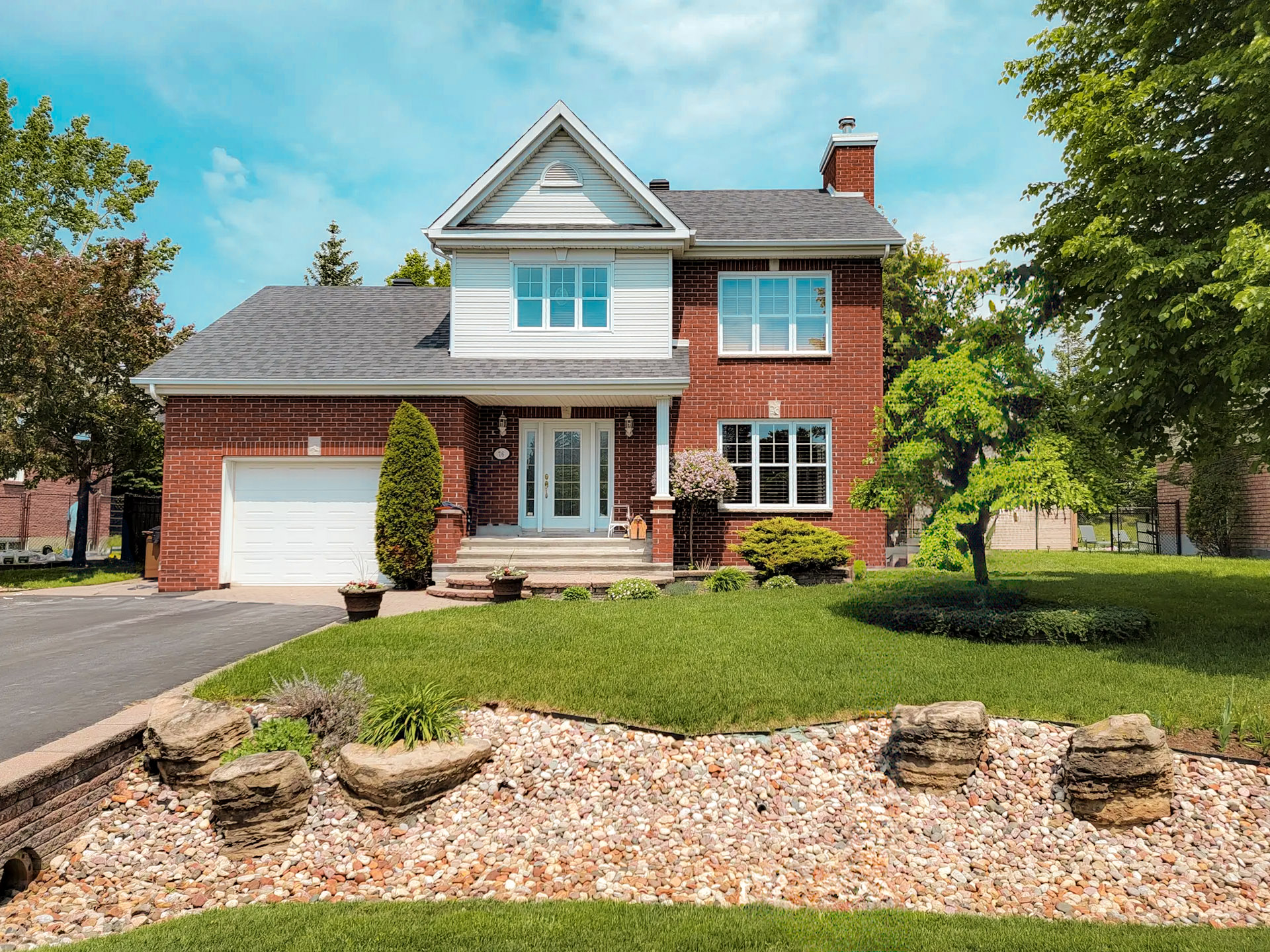
A timeless, classic choice. Brick is costly upfront, but its service life extends beyond 75 years and it requires little upkeep. Watch for cracks that could compromise resistance to parasites and extreme weather. Prices range from $25 to $55 per square foot, including installation.
If your house is clad in brick and you suspect an issue, check whether the brick is bulging.
Side-by-Side Comparison
Material | Cost per sq. ft. | Lifespan | Maintenance | Fire resistance |
Vinyl | $2.50 to $11 | 20 to 40 years | Very low | Poor |
Aluminum | $4.50 to $12 | 40+ years | Low | Poor |
Fibre cement | $5 to $15 | ~40 years | Low | Excellent |
CanExel | $5 to $15 | ~25 years | Moderate | Moderate |
Suretouch | $8 to $15 | Limited data | Low | Good |
EIFS | $10 to $15 | 30 to 50 years | Moderate | Moderate |
Wood | $10 to $25 | 25 to 55 years | High | Poor unless treated |
Brick | $25 to $55 | 75+ years | Very low | Excellent |
Profiles and Installation Systems
Beyond the material itself, two choices affect both appearance and price.
The board profile determines how the siding reads visually. Clapboard, the horizontal lapped profile, is the most common. Board and batten runs vertically. Shingles and shakes give a textured, traditional look at higher cost. Tongue and groove produces a tight, flush surface. Thicker board profiles cost more and cast deeper shadow lines.
The installation system matters more than most homeowners realize. A rainscreen system uses furring strips to create a ventilated air gap between the siding and the sheathing, which lets any moisture that gets behind the cladding drain and dry. It adds cost and wall thickness, but in a wet or freeze-thaw climate it significantly extends the life of wood and engineered wood siding. Many contractors now consider it standard practice rather than an upgrade.
What factors affect siding cost?
Total exterior surface area: The single biggest variable. Multi-storey homes cost more in both material and labour, and taller walls add scaffolding.
Architectural complexity: Gables, dormers, curves, and multiple rooflines all mandate more time and precision, which raises labour hours. Brick and stone also require trade-specific expertise.
Removing old siding: Tear-off and disposal typically add $1 to $3 per square foot. Asbestos-containing siding costs several times more, since it requires abatement.
Sheathing repairs: Rotting wood, water damage, or insect-related damage found behind the old siding must be repaired before installation. Older homes carry the highest risk.
House wrap and insulation: A new weather-resistant barrier is standard on a re-side. Adding exterior insulation at the same time is far cheaper than doing it later.
Trim, flashing, and soffit: Corners, window and door trim, J-channel, and flashing details are quoted separately and add up on a home with many openings.
Local labour rates: Costs vary considerably by region and by contractor experience. Labour represents a significant share of the total, especially on complex or large projects.
Additional Costs to Expect
The total project cost hinges on whether the entire siding needs replacement or only specific sections, and on the condition of what's underneath.
If the whole envelope is being replaced, budget for old siding removal and disposal on top of the new installation. For older homes, problems like rotting wood or termite damage may require repairs before the new material goes on.
Two items worth pricing separately when you request quotes: exterior insulation, which is dramatically cheaper to add during a re-side than at any other time, and window and door trim, which some contractors include and others don't.
For more insight on the cost of different renovation projects, see our Home Renovation Price Guide.
Regional and Seasonal Price Variations
Where you live and when you schedule the project both affect the final bill. Siding costs run higher in large urban centres like Toronto and Vancouver, where labour rates and demand are elevated. Rural and less populated areas often offer more competitive pricing due to lower overhead.
Season matters too. Contractors are busiest during summer, which drives prices up. Booking for early spring or late fall, when demand is lower, may secure better rates. Local climate also influences which materials are commonly stocked and priced competitively across different regions of Canada.
Choosing Siding Beyond the Price Tag
Source: Revêtement Chabot inc.
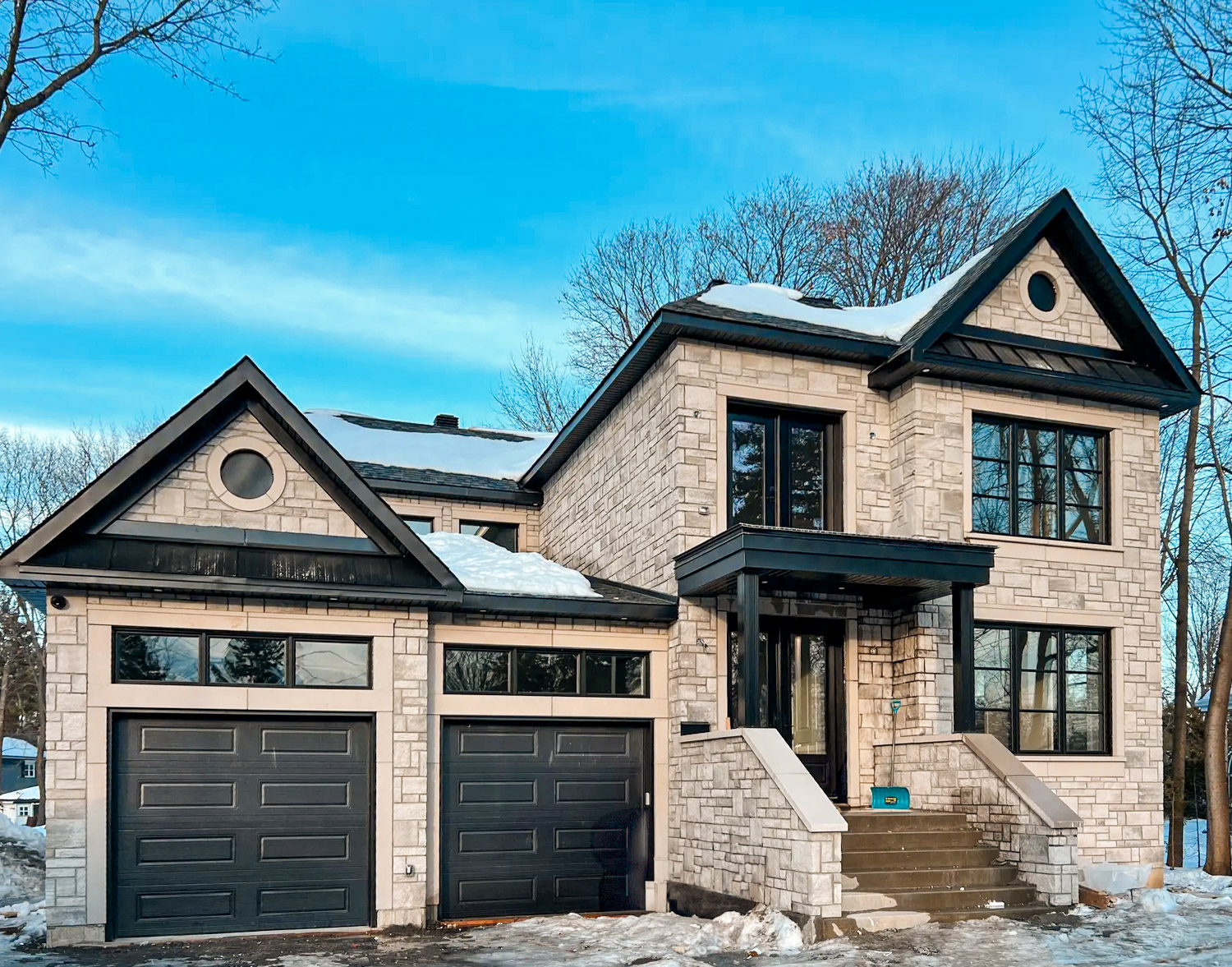
Sometimes investing more upfront is the better decision. A material that requires little maintenance and holds up well over decades often costs less over its life than a cheaper option replaced twice.
Weigh these alongside cost:
Lifespan and life-cycle cost: Brick at $40 per square foot lasting 75 years costs less annually than vinyl at $6 lasting 25.
Maintenance commitment: Wood demands regular treatment. Vinyl and brick demand almost none.
Moisture and insect resistance: Critical in humid regions and anywhere with a freeze-thaw cycle.
Fire resistance: Fibre cement and brick are non-combustible. Vinyl and untreated wood are not.
Appearance and curb appeal: Siding is the single largest visual element of your home's exterior.
Property value: A well-executed re-side is among the more reliable exterior improvements at resale.
Energy Efficiency and Environmental Impact
Choosing the right siding can also make your home more energy efficient. Insulated vinyl and Suretouch panels add a layer of thermal performance to the exterior, reducing heat loss in winter and heat gain in summer.
Engineered wood panels like CanExel are made from wood fibre composites, using by-products for a more sustainable choice than traditional lumber. Aluminum siding is fully recyclable at end of life.
For the most efficient upgrade, the best opportunity is adding continuous exterior insulation while the walls are already open. Doing it during a re-side costs a fraction of what it would cost as a standalone project.
What should you budget for siding?
For most Canadian homes the realistic planning range is $2.50 to $55 per square foot installed, which puts a typical two-storey re-side somewhere between $6,000 in basic vinyl and $137,000 in full brick. Vinyl, aluminum, fibre cement, and engineered wood cover the majority of projects and land between $6,000 and $38,000 for that same house.
Calculate your exterior wall area before requesting quotes, and ask each contractor to itemize old siding removal, house wrap, trim, and any sheathing repairs separately. Those four items are where two quotes on the same house diverge most.
FAQ
What is the best exterior siding?
There isn't one material that's universally better for every home. It depends on your budget, climate, maintenance tolerance, and aesthetic preferences. Vinyl remains the most popular choice in Canada for its combination of low cost and low upkeep, while fibre cement is the usual pick when fire resistance matters.
How much does it cost to vinyl side a house?
Vinyl siding in Canada costs $2.50 to $11 per square foot installed. For a 2,000 sq. ft. two-storey home requiring roughly 2,500 sq. ft. of siding, that works out to approximately $6,250 to $27,500 depending on the grade of vinyl chosen.
How do I calculate how much siding I need?
Multiply your home's perimeter by its wall height, add the area of any gables, subtract roughly 15 sq. ft. per window and 21 sq. ft. per door, then add 10% for waste. A single-storey home typically needs about the same square footage of siding as its floor area, and a two-storey about 1.2 to 1.3 times.
What type of wood is best for exterior siding?
Cedar is the most recommended, given its natural resistance to rot and insect damage and its light weight, which simplifies installation. It takes stain or paint well. Other species work too, and the best choice depends on your climate and how much maintenance you're willing to take on.
Should I install siding myself or hire a professional?
DIY installation saves on labour but requires specialized tools, safety precautions at height, and real construction knowledge. Mistakes lead to water damage behind the wall and often void material warranties. For most homeowners, professional installation ensures proper detailing, code compliance, and long-term durability.
How much does it cost to remove old siding?
Tear-off and disposal typically add $1 to $3 per square foot. Asbestos-containing siding is a different category entirely, requiring licensed abatement that can cost several times the price of the siding job itself.
How can I maintain my siding so it lasts?
Clean dirt and debris with a garden hose or mild soap once or twice a year. Inspect annually for cracks, warping, or damage and repair promptly. For wood siding, reapply stain or protective treatment every few years as recommended by the manufacturer.
How can I save on siding costs in Canada?
Get at least three quotes, choose standard rather than premium profiles and colours, schedule during the off-season when contractors offer better rates, bundle siding with other exterior work to share mobilization costs, and check for rebates on energy-efficient upgrades if you're adding insulation.
Looking for something else?
Related articles
The latest industry news, interviews, technologies, and resources.
Editorial Team
•01 May 2026
Homeownership is synonymous with home security, and this is exactly the topic we’ll broach in this article about home security systems and associated costs. Given the rise in home burglaries and the development of new technologies, such products are needed more than ever. Brands offer a broad range of alarm systems connected directly to your mobile device.
Léa Plourde-Archer
•08 Nov 2023
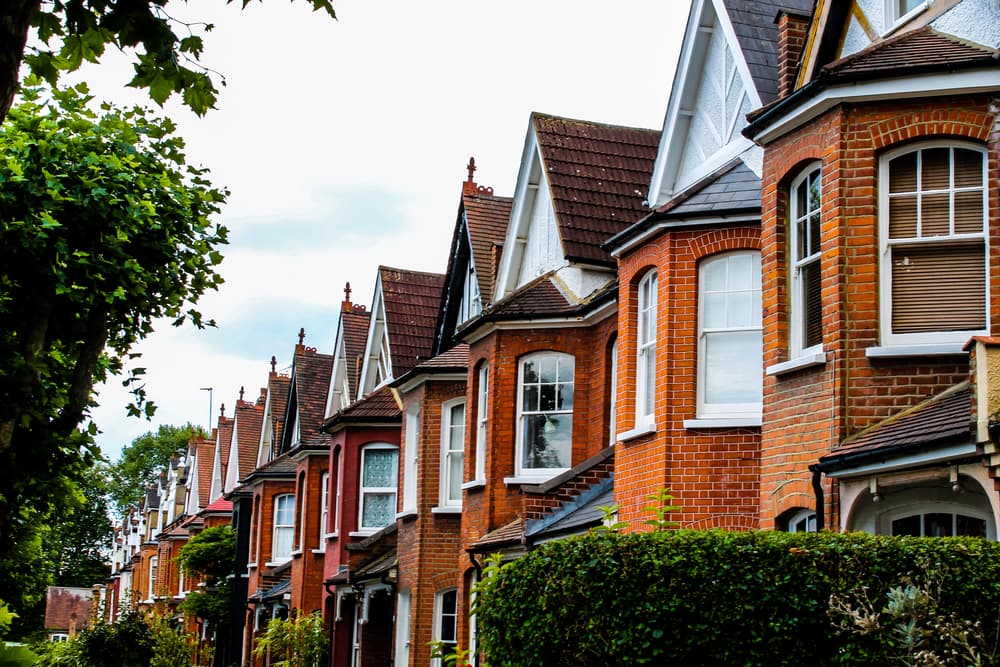
Brick is a building material that's been used for hundreds, if not thousands, of years. In terms of sustainability, it has proven its worth. It is a very clever system used for structures and exterior cladding. Brick is made to withstand different climates and is suited to both modern aesthetics and more classic looks. In other words, basic brick work has a very long service life, spanning decades and even more!
Editorial Team
•14 Nov 2024
There's no way around it, keeping your house hot through harsh Canadian winters can be expensive! As a homeowner, it is important to know the most cost-effective and efficient ways to keep the air of your home comfortable without breaking the bank.
Editorial Team
•08 Nov 2023
Are you in need of a new roofing material? While asphalt shingles are a popular option that many homeowners end up choosing, those with flat roofs must look to other choices including multi-layered asphalt and gravel membrane. In this article, we've got everything you need to know on the subject!
Editorial Team
•18 Nov 2023
It's often said that small home improvement projects can make a huge difference. By opting for simple, yet visually interesting renovations, you'll revamp a room without having to deal with demolition, blueprint designs, and everything else that goes into a large-scale remodelling project.