The Ultimate Insulation Cost Guide: How Much to Budget in 2026?
By Editorial Team
Updated on April 30, 2026
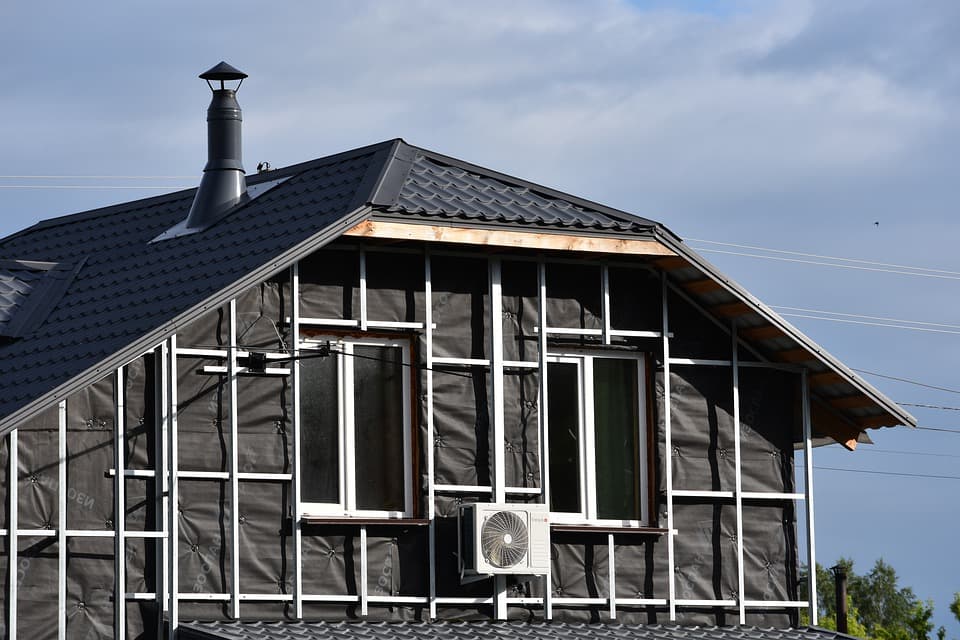
Choosing the right insulation for your home isn’t an easy feat, especially given the many options available. How can you tell which type yields the best performance and overall value for money to meet your specific needs, and how much insulation costs depending on your choices?
This article will focus on the different insulation materials, their advantages and disadvantages, including their environment-based effectiveness. Whether renovating your bathroom or insulating your bedroom, we’ll help you better understand the different factors to consider and make a well-informed decision regarding insulation costs and performance.
How Much Does Insulation Cost in Canada?
For reference purposes only, here’s a pricing table detailing the different types of insulation materials sold in Canada, including the cost of insulation per square foot and typical performance ranges.
Insulation Type | Price Per Sq. Ft./Rooms | R-Value Per Inch * |
Expanded polystyrene (EPS) | $2–$4 | 3.7 to 4.3 |
Extruded polystyrene (XPS) | $3–$6 | 3.6 to 5 |
Closed-cell polyurethane spray foam | $3–$8 | 3.2 to 6 |
Open-cell polyurethane foam | approx. $3 | 3.17 to 5 |
Polyisocyanurate (PIR) | $1.50–$8 | 3.5 to 6.6 |
Ecobill MD/® (polystyrene microbeads) | $2–$4 | 3.9 to 4.4 |
Soybean oil-based foam | $3–$6 | 5 to 7 |
$1.40–$5.90 | 2.8 to 4.5 | |
Fibreglass | $0.90–$5.90 | 3.0 to 4.5 |
Cellular glass | approx. $4.20 | 2 to 2.6 |
Cellulose | approx. $1 ** | 3.5 to 3.7 |
Hemp | $1–$4 | 3.2 to 3.7 |
Straw bale | $5–$18 ** | 2 to 5 |
Cotton | $1.50–$3.50 | 3.4 to 3.8 |
Cork | approx. $0.70 ** | 3.7 |
* The R-value measures the material’s insulation effectiveness.
** Insulation costs vary depending on the material’s form (panel, bulk, batt, etc.), area to be insulated (exterior wall, attic, floor, etc.), product on which the insulation material will be installed (brick, wood, etc.), and labour costs.
Affordable Options
Fibreglass
Fibreglass is an easy insulation material to install, providing moderate fire resistance. However, it’s not waterproof, which can lessen its efficiency if exposed to humidity. Moreover, it may contain formaldehyde, meaning this material mandates special care during installation.
Cellulose
Cellulose makes for an effective flame-, mould-, and corrosion-resistant choice, providing good soundproofing properties. However, installation can be complex and said material is moisture-sensitive. For optimal performance, cellulose insulation typically needs to be thicker, although it doesn’t significantly affect cost.
Expanded Polystyrene (EPS)
Expanded polystyrene (EPS) is a moisture-resistant insulator with decent thermal protection. It’s easy to install and is often used for a myriad of construction-related installations. However, in case of a fire, EPS can release toxic fumes, which calls for special attention to safety when installed in buildings.
Polyisocyanurate (PIR)
Polyisocyanurate (PIR) provides excellent flame, moisture, and water resistance, which makes for a solid insulation choice. However, it loses its insulation properties when directly exposed to cold air. Moreover, its installation requires precautionary measures to ensure maximum effectiveness.
Hemp
Hemp is a flame-, bacteria-, insect-, and fungi-resistant insulation material. It also has good soundproofing properties, which makes it a versatile and sustainable choice for a myriad of insulation purposes.
Cotton
Cotton is flame-resistant and has good soundproofing properties. However, it's moisture-sensitive, which can compromise its efficiency when exposed to humid conditions.
Standard-Priced Options
Extruded Polystyrene (XPS)
Extruded polystyrene (XPS) is a reputable insulator known for its moisture resistance, making it ideal for humidity-exposed installations. It’s easy to install, whether it’s for renovations or new constructions. However, note that XPS isn’t fireproof and may release toxic fumes if exposed to open flames, which calls for cautionary use in buildings.
Open-Cell Foam
Open-cell polyurethane foam is airtight, which further contributes to its decent thermal insulation. However, it’s not as effective when exposed to moisture and has limited fire resistance. These characteristics make its use preferable in settings where product limitations are manageable.
Ecobill MD/® (Polystyrene Microbeads)
Polystyrene microbeads used to make Ecobill/MD® provide sprayed-in insulation that doesn’t require demolition, allowing walls the breathe while preventing mould growth. It’s a clean, dustless, and odourless material that boasts reclaimable and recyclable benefits. However, it’s not waterproof nor draft-proof and may release toxic fumes during a fire, similar to other expanded polystyrene-based insulators.
Rockwool
Rockwool is an effective insulator that’s both fire- and moisture-resistant, while also providing excellent soundproofing properties. It’s easy to install and versatile for a myriad of construction types. However, note that it may contain formaldehyde, meaning this material mandates special care during installation.
Cellulose Glass
Cellulose glass is airtight and moisture-proof, with decent flame resistance and a long service life. It also has effective soundproofing properties. However, its insulation capacity is typically weaker compared to other insulation materials.
Soybean Oil-Based Foam
Soybean oil-based polyurethane foam is an effective insulator that’s airtight and moisture-resistant, with a great expansion capacity for optimal coverage. However, handling requires specific protection to ensure a safe installation.
Cork
Cork is water-, fire-, insect-, and rodent-resistant. It also provides decent soundproofing. However, it calls for a thicker layer, typically between 8–12 inches, ensuring optimal performance.
Closed-Cell Polyurethane (Spray Foam)
Closed-cell polyurethane is great given its airtight and water-resistant properties. However, it’s not fireproof and rather complex to install, requiring professional help to ensure optimal efficiency.
High-End Option
Straw Bale
Straw-insulated panels are fire-resistant and provide decent moisture resistance. However, the panels have to be between 14–18 inches thick, and the home in question must have been built according to specific constraints to be effective. Given said prerequisites, straw bales are often used for new construction rather than during remodelling or renovation efforts.
What Factors Affect the Cost of Upating Your House’s Insulation?
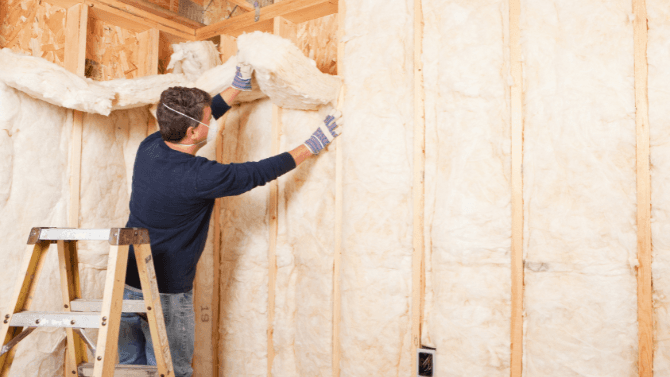
Type of Insulation Material
The selected insulation material will affect the overall project cost. There are several different insulation options, with unique price ranges and advantages. Ultimately, your decision will hinge on factors like budget, desired insulation level, and the targeted areas to insulate.
Square Footage to Insulate
The square footage to insulate will directly affect the overall cost. The bigger the targeted area, the higher the insulation cost per square foot will be. Moreover, area accessibility will also be factored in when calculating costs.
Installation Complexity
Installation complexity affects house insulating costs. Hard-to-reach areas, such as narrow spaces or high ceilings, are more time-consuming and demanding, increasing costs. If you’re replacing your old insulation material, the removal process can also incur more costs. Moreover, ensuring an airtight seal during the installation process is paramount to maximize insulation efficiency, albeit doing so may incur additional fees tied to the overall insulation installation cost.
Labour Cost
Unless you plan on heading the DIY route when insulating your house, you’ll have to hire local insulation contractors. Hiring experts guarantees proper installation, which, in turn, optimizes energy efficiency and long-term savings. Furthermore, hired professionals can help you choose the best materials suited to your specific needs, ensuring your home remains at comfortable temperatures and is properly insulated year-round, while accounting for the labour cost to install insulation.
Our Tips for Making a Well-Informed Decision
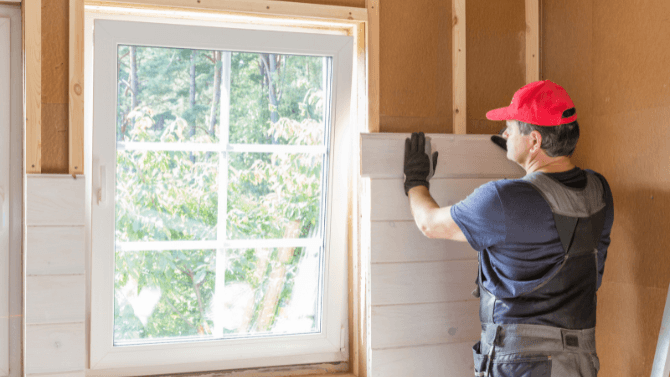
To properly insulate your home in 2026, it’s essential to understand the different options made available. Whether opting for affordable materials, such as fibreglass or cellulose or selecting more effective solutions, such as polyurethane or cork, every option has its upsides and drawbacks. In a nutshell, choosing the right insulator depends on the overall home insulation cost (your budget), project specificities, and the sought-after thermal efficiency.
Check out our Home Renovation Price Guide for insight into the average cost of home renovation projects.
FAQ
What is the cheapest insulation material?
As detailed in our pricing table, the most cost-effective insulation material is cork, often considered among the cheapest insulation options available.
What’s the best home insulation material?
Unfortunately, there isn’t one-size-fits-all insulation. As detailed throughout this guide, there are several factors to consider to make the best choice. For example, some options are cheaper and provide a better R-value, yet aren’t suited to moisture-prone environments. As such, while not suitable for a bathroom remodelling project, it may be suitable for a bedroom.
How much is 1,000 square feet of insulation?
Check out our pricing table at the top of this article to figure out how much a 1,000-square-foot home/targetted area is to insulate, based on your insulation material of choice and the insulation price per square foot. Whether insulating walls, a garage door, or select rooms, consult with an insulation contractor to receive an average cost estimate, including details like insulation type and form (mineral wool, open-cell, batt, spray foam insulation, etc.). Most often, people will seek out free consultations and decide from there.
How much does it cost to insulate an attic, exterior walls, roof, and more?
As mentioned in our article, there are so many cost-determining factors. If you’re looking for a home insulation contractor, look no further! Head to RenoQuotes.com for 3 free quotes from local professionals.
Looking for something else?
Related articles
The latest industry news, interviews, technologies, and resources.
Léa Plourde-Archer
•28 Apr 2026
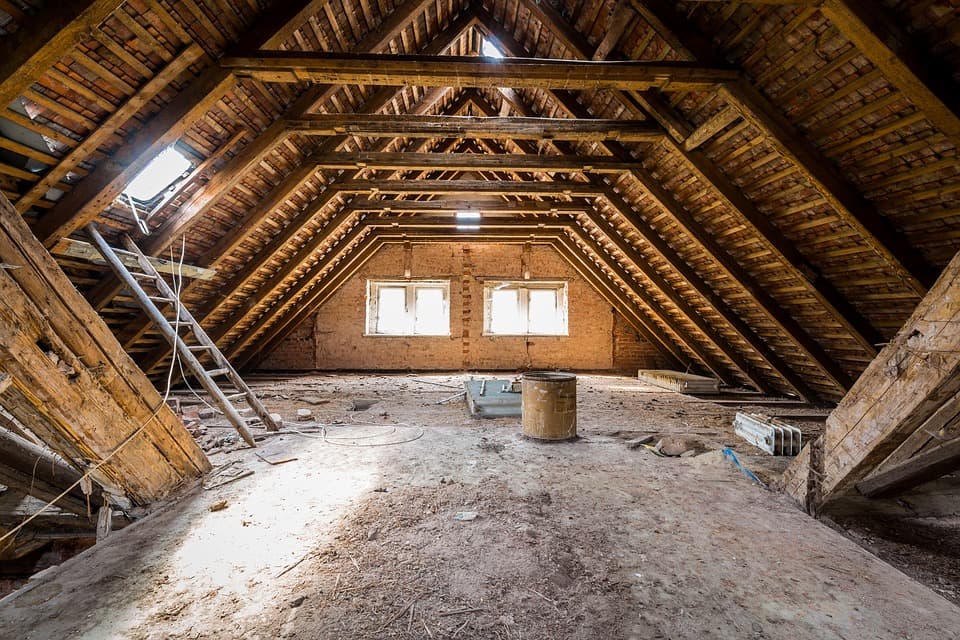
Masonry and bricklaying are more than a skill, they are a craft. When it comes to the requirements for working with concrete and brick, you’ll need to work with a person who has specific training. These materials are especially difficult to manipulate, and thus, it’s almost always best to work with a professional. Of course, working with a mason or bricklayer will leave you with lifelong structures and pieces, adding to the individuality and resale value of your home.
Editorial Team
•18 Aug 2026
A vapour barrier is a material used in a home's building envelope to limit the movement of water vapour through walls, ceilings, and other assemblies. In Canada's climate, it plays an important role in moisture control by helping prevent indoor water vapour from reaching colder parts of an insulated assembly, where it could condense.
Editorial Team
•26 Jan 2026
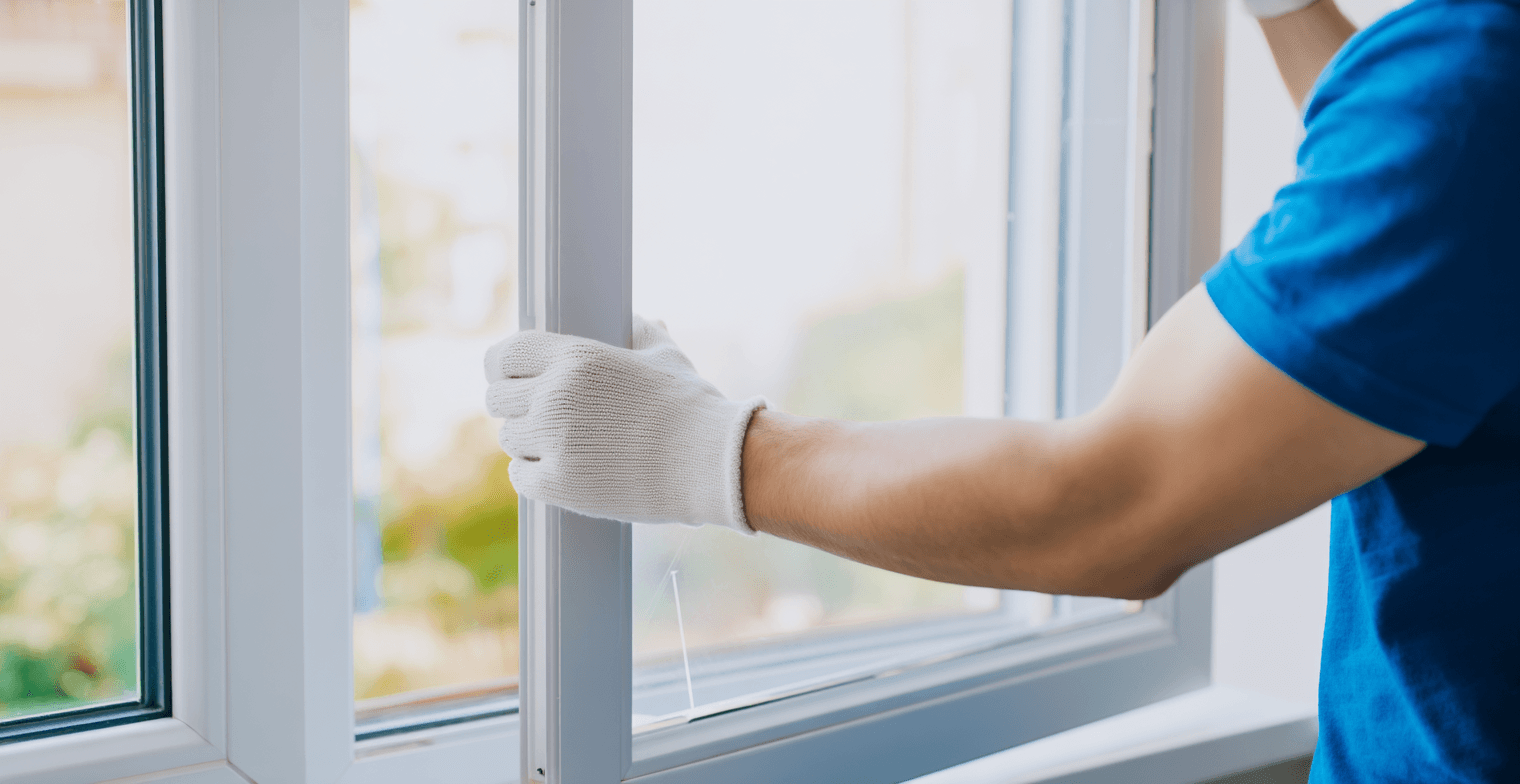
Windows act as the link between your home’s interior and the outside world, letting in fresh air and natural light. They also provide a certain level of insulation, creating a cozy and pleasant indoor environment.
Editorial Team
•23 Jul 2025
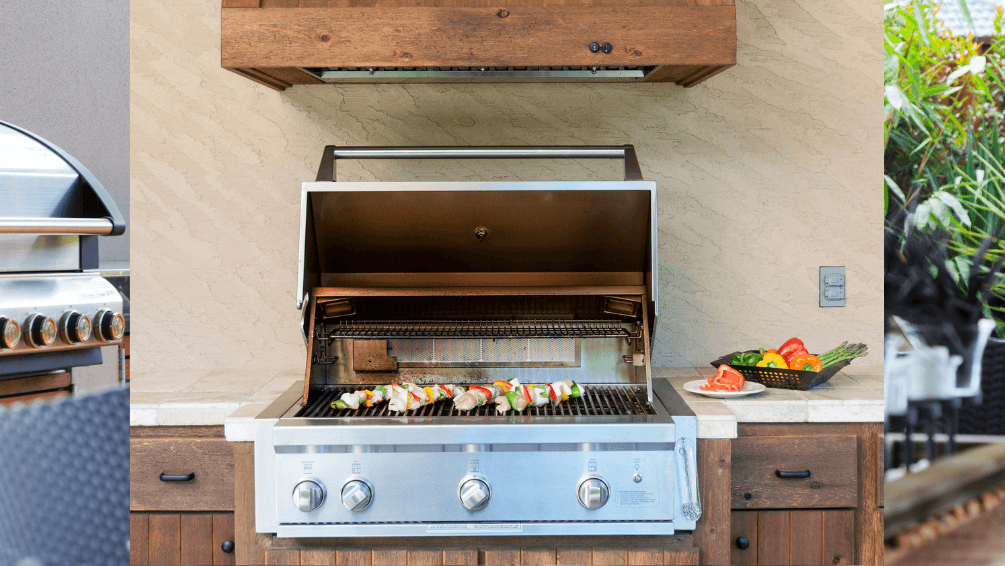
Many of us appreciate the great outdoors, soaking up the summer or cozying up in the fall outside on the patio. Hosting a backyard barbeque is a favourite spring, summer and fall pastime (sometimes even winter) but running back and forth between inside and out can get exhausting and take your mind out of the party.

Editorial Team
•08 Oct 2025
Are you having a hard time finding qualified workers to fill vacant positions within your company? Since we can assume that your schedule is booked solid with the upcoming warmer seasons, we’ve decided to speed up the process and help you find new employees!