Dead Outlets? Here's What Could Be Behind Them
By Collaboration
Updated on August 11, 2025
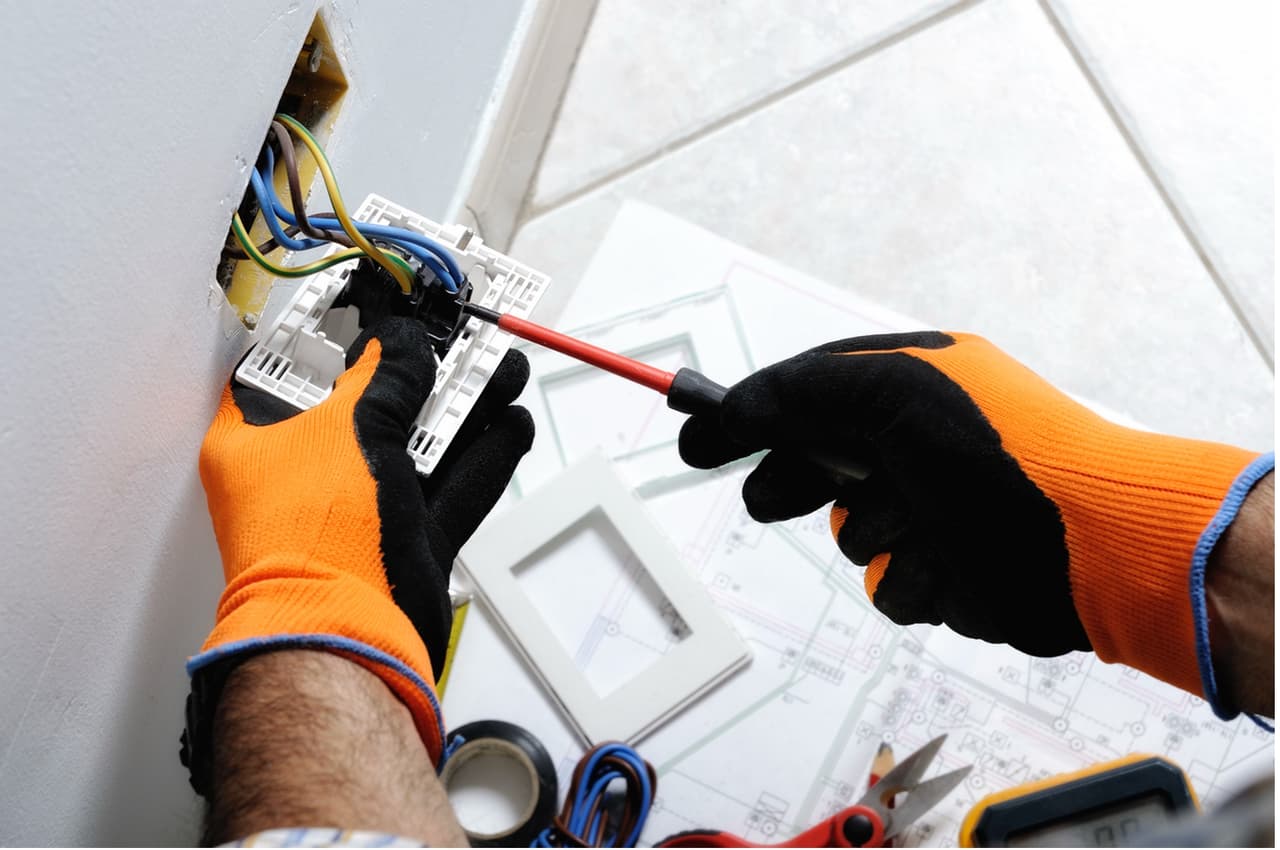
Dead outlets often result from tripped breakers, faulty wiring, or overloaded circuits. While resetting the breaker or checking connections may resolve minor issues, persistent problems could indicate deeper electrical faults. For complex situations, professional assessment is crucial to make sure safety and proper repairs. Understanding these causes helps homeowners address electrical troubleshooting effectively and maintain a reliable power supply throughout their homes.
Table of Contents
Common Causes of Dead Outlets in Homes
How to Diagnose a Dead Outlet Safely
Preventive Measures to Avoid Electrical Failures
Final Thoughts on Addressing Dead Outlets
A dead outlet can be more than just an inconvenience – it can disrupt your daily routine and raise concerns about safety. Whether it’s a single outlet or multiple ones, the underlying causes often include tripped breakers, faulty wiring, or overloaded circuits. In some cases, these issues may even point to outdated electrical systems that require professional attention.
Addressing these problems promptly is essential to prevent further damage or potential hazards. For instance, persistent electrical issues could indicate deeper faults that need expert evaluation. Consulting residential electricians can provide clarity and help restore functionality while maintaining safety standards. Understanding the root causes of dead outlets not only helps in resolving immediate disruptions but also promotes long-term electrical health.
Common Causes of Dead Outlets in Homes
Dead outlets are a common household issue, but their causes can range from simple fixes to more complex electrical problems. Understanding these root causes is the first step toward resolving the issue safely and effectively. Below, we’ll explore some of the most frequent culprits behind dead outlets and why they occur.
Tripped Circuit Breakers
A tripped breaker is one of the most common reasons for a dead outlet. This happens when a circuit becomes overloaded, causing the breaker to cut power as a safety measure.
Check your electrical panel for any tripped breakers.
Reset the breaker by flipping it off and then back on.
If the breaker trips again, it could indicate an underlying issue like faulty wiring or an overloaded circuit.
Faulty Wiring
Damaged or outdated wiring is another frequent cause of dead outlets. Over time, wires can degrade, loosen, or become disconnected, disrupting the flow of electricity. Aluminum wiring, in particular, is prone to overheating and should be inspected regularly.
GFCI Outlet Problems
Ground Fault Circuit Interrupter (GFCI) outlets are designed to protect against electrical shocks. These outlets often shut off power if they detect irregularities, such as moisture or voltage fluctuations.
Test the GFCI outlet by pressing the “Reset” button.
If the outlet doesn’t reset, it may need professional inspection or replacement.
Overloaded Circuits
Plugging too many devices into a single outlet or circuit can lead to overloading. This not only causes outlets to stop working but also poses a fire hazard. Upgrading your electrical panel or redistributing the load can help prevent this issue.
By identifying these common causes, homeowners can take proactive steps to address dead outlets. However, persistent problems may require regular electrical inspection to ensure long-term safety and reliability.
How to Diagnose a Dead Outlet Safely
Diagnosing a dead outlet requires a systematic approach to identify the root cause without compromising safety. While some issues can be resolved with basic troubleshooting, others may demand professional intervention. Below, we’ll outline steps homeowners can take to diagnose the problem and determine the appropriate course of action.
Step 1: Check the Circuit Breaker
The first step in diagnosing a dead outlet is to inspect your circuit breaker panel. A tripped breaker is often the culprit behind sudden power loss.
Locate your electrical panel and look for any breakers that have flipped to the “off” position or are sitting in the middle.
Flip the breaker completely off and then back on to reset it.
If the breaker trips again immediately, it could indicate an overloaded circuit or a more serious wiring issue.
Step 2: Test Nearby Outlets
Sometimes, a single dead outlet is part of a larger circuit issue. Testing nearby outlets can help pinpoint whether the problem is isolated or widespread.
Use a voltage tester or plug in a small appliance to check if adjacent outlets are functioning.
Pay attention to GFCI outlets, as they often control other outlets in the same circuit. Pressing the “Reset” button on a GFCI outlet may restore power to the entire circuit.
Step 3: Inspect for Visible Damage
Physical damage to outlets or switches can also lead to power disruptions. Look for signs such as scorch marks, cracks, or loose connections. Turn off the power at the breaker before inspecting or handling any outlets. If you notice burning smells, charring, or melted plastic, avoid further use and contact a professional immediately.
Step 4: Assess Appliances and Devices
Faulty appliances or devices plugged into the outlet can sometimes cause it to stop working. Unplug all devices from the dead outlet and test it with a different appliance. If the outlet works with another device, the original appliance may be faulty and require repair or replacement.
By following these diagnostic steps, homeowners can often identify the source of the problem. However, if the issue persists or involves complex wiring, seeking assistance from qualified electricians is the safest option.
Preventive Measures to Avoid Electrical Failures
Preventing electrical failures is key to maintaining a safe and functional home. By taking proactive steps, homeowners can reduce the risk of dead outlets, breaker trips, and other electrical issues. Below are practical measures to safeguard your electrical system and secure its longevity.
Upgrade Outdated Electrical Panels
Older homes often have electrical panels that lack the capacity to handle modern appliances and devices. Upgrading your panel not only improves performance but also enhances safety. Consult a professional to assess whether your panel meets current safety standards. Ensure upgrades include a permit and city inspection for compliance.
Install Surge Protection Devices
Power surges can damage outlets, appliances, and electronics. Installing surge protection devices helps mitigate this risk. Whole-house surge protectors shield your entire electrical system from voltage spikes. Plug-in surge protectors can be used for individual devices or sensitive electronics.
Regularly Inspect Wiring and Connections
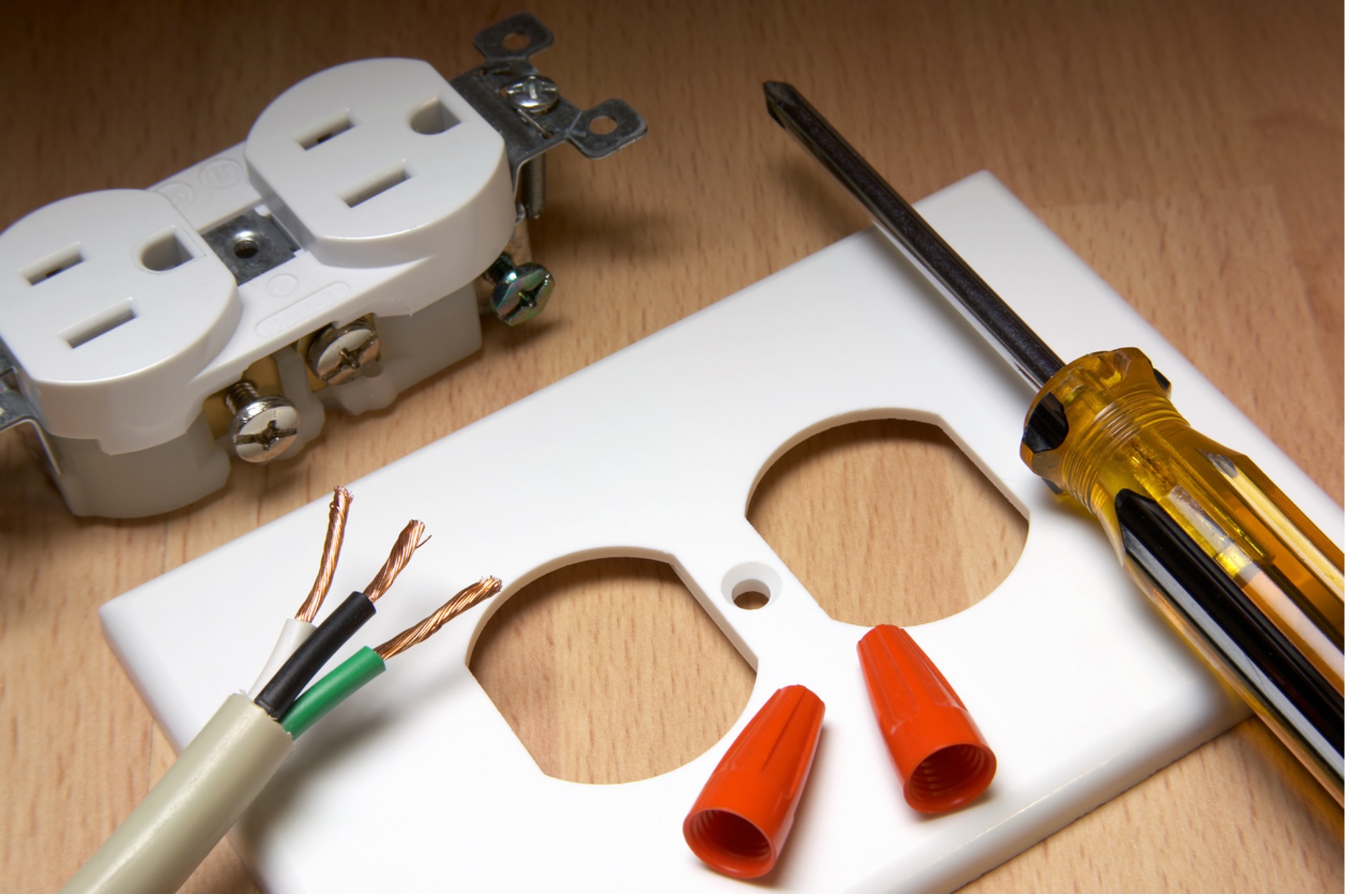
Faulty or aging wiring is a common cause of electrical failures. Regular inspections by qualified electricians can identify potential hazards before they escalate. Pay special attention to aluminum wiring, which is prone to overheating and arcing. Replace outdated knob-and-tube wiring, which poses fire risks and cannot handle modern electrical demands.
Avoid Overloading Circuits
Overloading circuits is a frequent cause of tripped breakers and dead outlets. Distribute electrical loads evenly across outlets and circuits. Avoid plugging multiple high-wattage devices into a single outlet. Use power strips with built-in circuit breakers for added safety.
Opt for Energy-Efficient Solutions
Switching to energy-efficient lighting and appliances not only reduces electricity bills but also lessens the strain on your electrical system. LED bulbs and smart home automation systems are excellent options for modernizing your home while promoting sustainability.
By implementing these preventive measures, homeowners can significantly reduce the likelihood of electrical failures and maintain a safer living environment.
Final Thoughts on Addressing Dead Outlets
Dead outlets can stem from a variety of causes, ranging from simple breaker trips to more complex wiring issues. By understanding these common culprits and taking preventive measures, homeowners can maintain a safer and more reliable electrical system.
Regular inspections, avoiding overloaded circuits, and upgrading outdated components are effective ways to reduce the risk of electrical failures. For persistent or challenging problems, professional expertise is invaluable in ensuring long-term solutions. Addressing dead outlets promptly not only restores functionality but also promotes peace of mind for you and your household.
Looking for something else?
Related articles
The latest industry news, interviews, technologies, and resources.

Editorial Team
•07 May 2026
Designing a backyard in Canada requires careful planning to turn your outdoor space into a true extension of your home. To successfully complete your project in 2026, you should divide your yard into functional zones (dining area, lounge area, play area), choose materials commonly used for outdoor landscaping due to their resistance to freeze-thaw cycles—such as interlocking pavers or pressure-treated wood—and comply with local and provincial pool safety regulations. A well-designed layout that incorporates plants suited to your hardiness zone will increase your property value while extending your outdoor living season.

Editorial Team
•22 Nov 2024
Living rooms are known as gathering areas, ideal for unwinding and fostering relaxation through ambiance-specific lighting. This living space should be as functional as it is comfortable, making the choice of a variety of lights key to enhancing the room's elegance. But, where do you begin?

Editorial Team
•18 Aug 2025
Whether you’re freshening up a bedroom or repainting a façade, painting is one of the most accessible renovation projects. However, a common mistake is buying too much or too little paint. Accurately calculating the required amount allows you to plan your budget, avoid waste, and cut down on trips to the hardware store. This guide will explain how to determine the surface area to be painted, choose the right type of paint, and estimate the number of coats to ensure success.

Editorial Team
•11 May 2026
Suffice it to say, converting an attic into a living space tends to be a split verdict type of endeavour. Some are indeed charmed by the sloping walls, small space, and dormers for windows, while others are wary of feeling claustrophobic or worry that the space will be too dark.
Editorial Team
•05 Dec 2025
The exterior siding of a house serves as the first barrier against harsh weather and strongly influences the overall appearance of the building. More and more homeowners are seeking solutions that combine durability, performance, and respect for the environment. This article reviews eco-friendly siding materials and offers tips to help you make an informed choice.